Notes from the Pit: Primavera Sound.
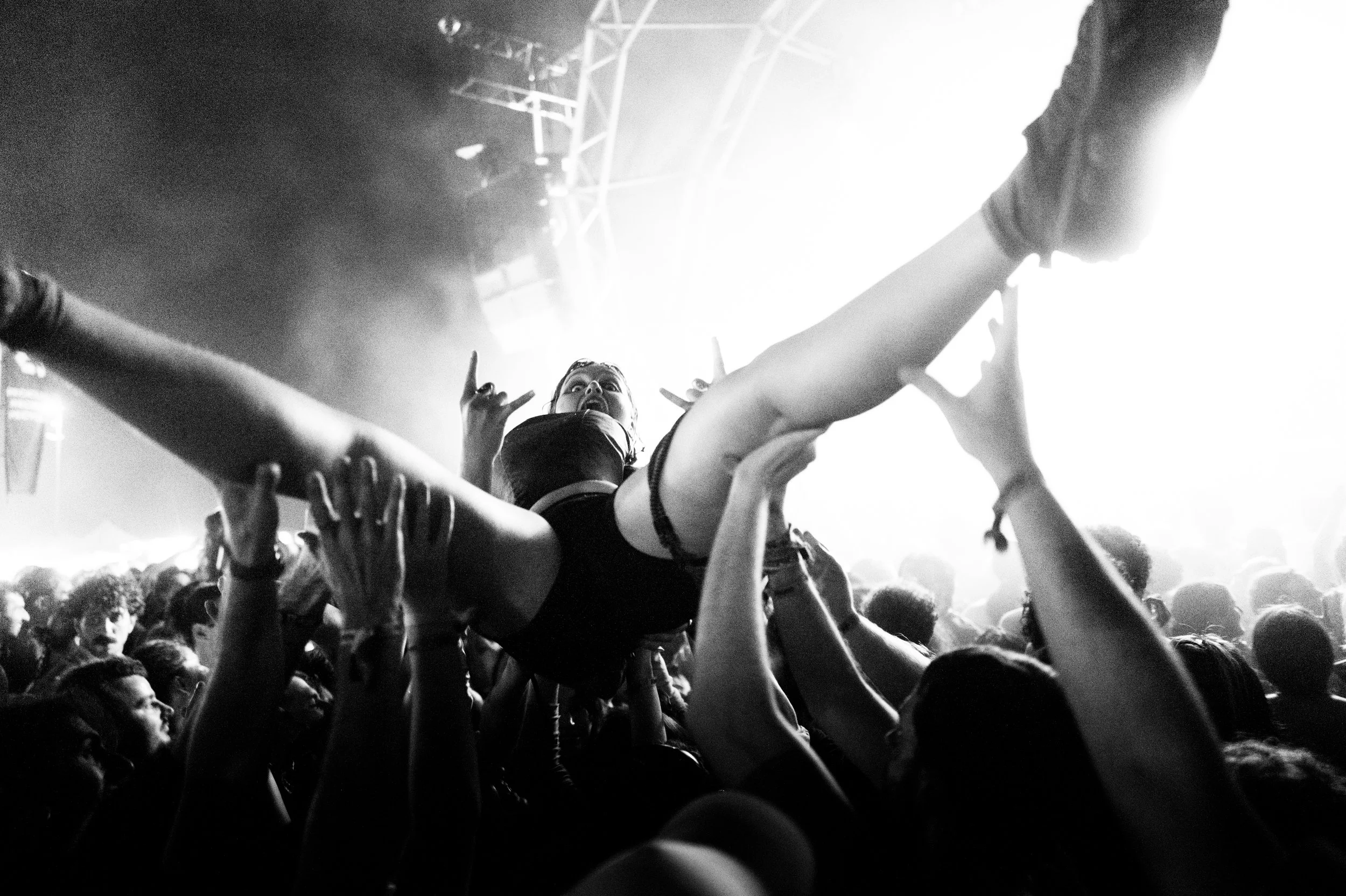
A stormy Primavera 2026
The first thing people saw when entering Primavera Sound this year was Steve Albini's name.
Not a small tribute hidden away in a corner. Not a discreet plaque. A giant sign suspended above one of the festival's main entrances: STEVE ALBINI FIRST. Impossible to miss. Further inside, many other signs with the same message: Steve Albini's Home.
One was a declaration. The other was an anthem.
Before hearing a single note of music, the festival had already told you what it believed in.
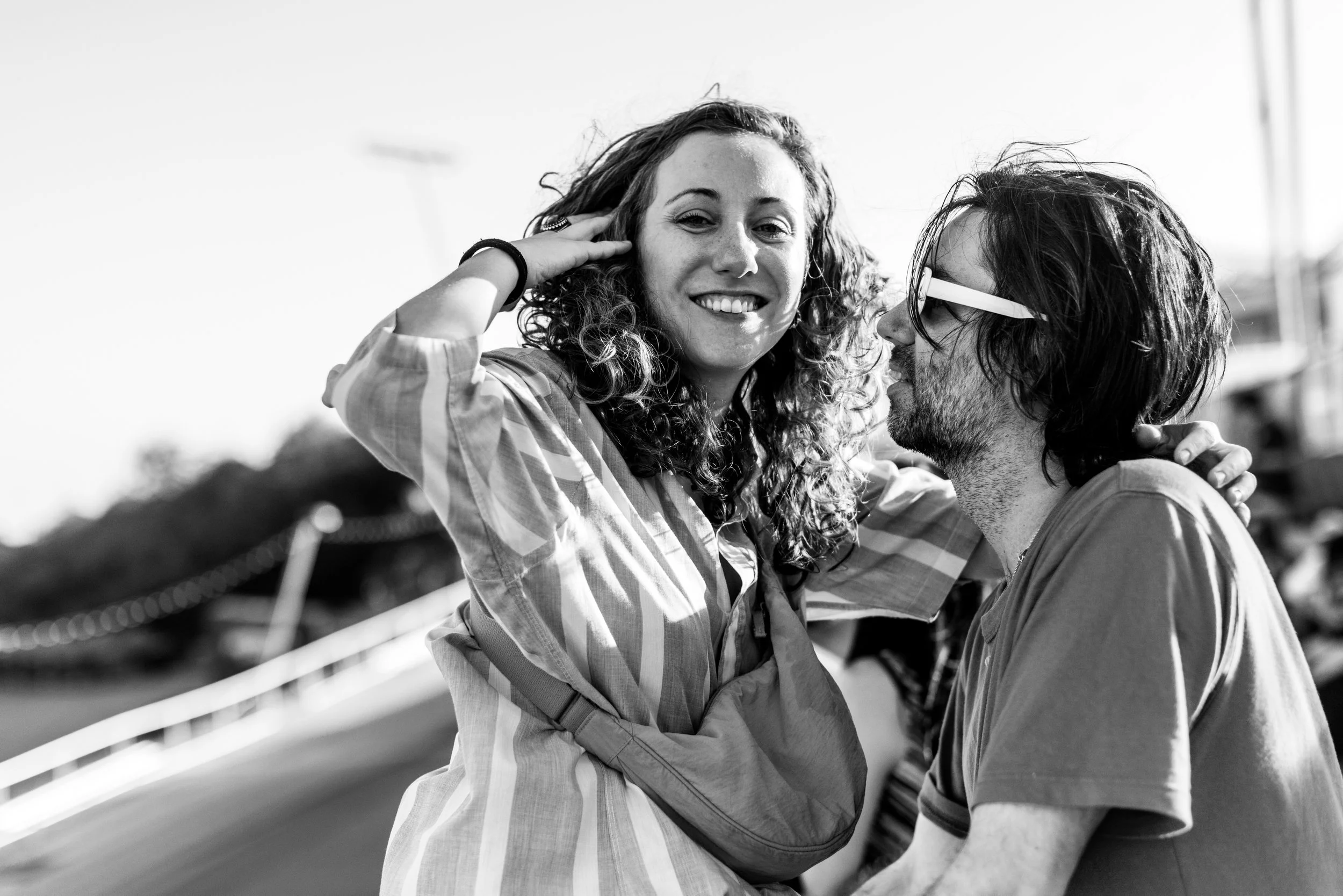
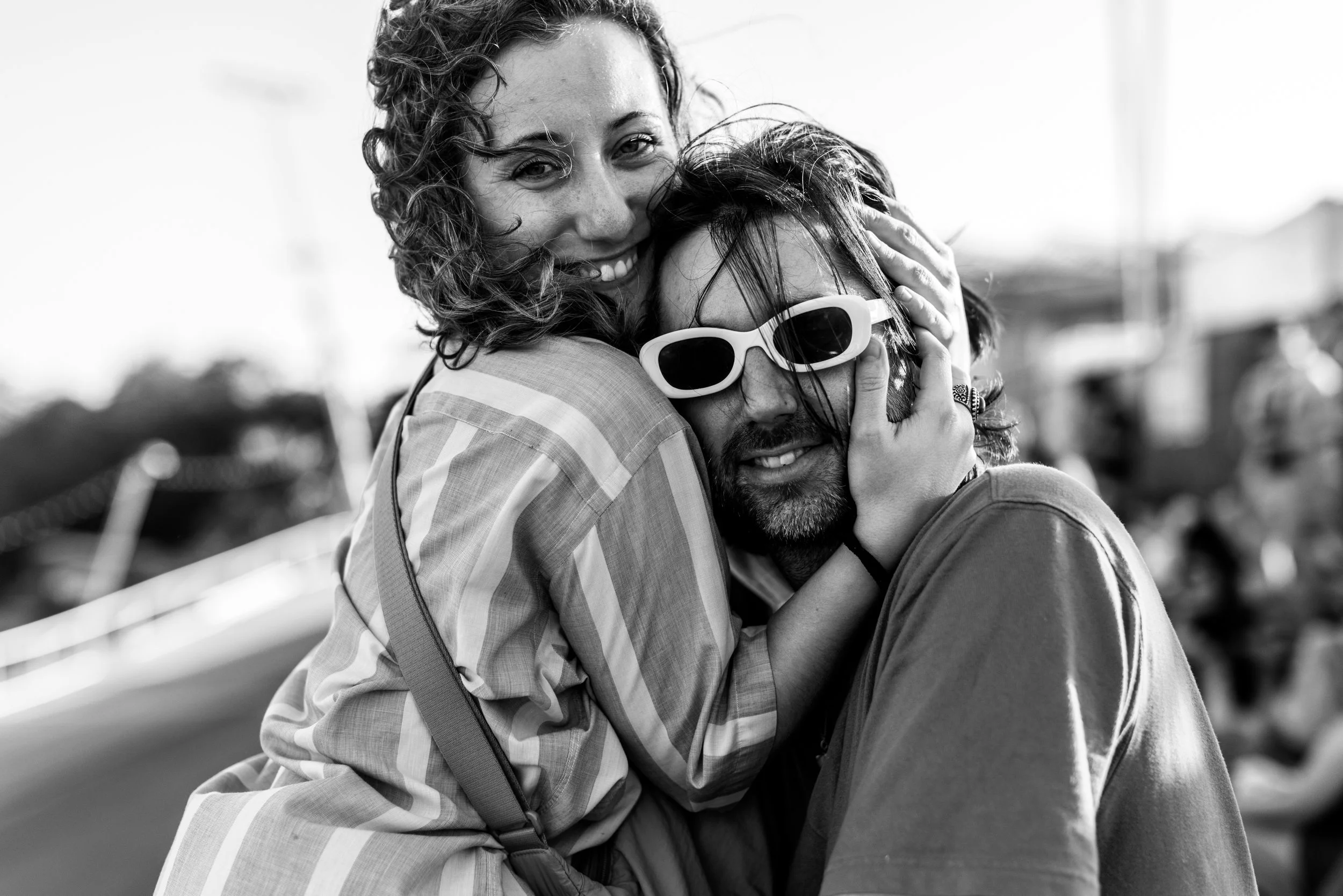
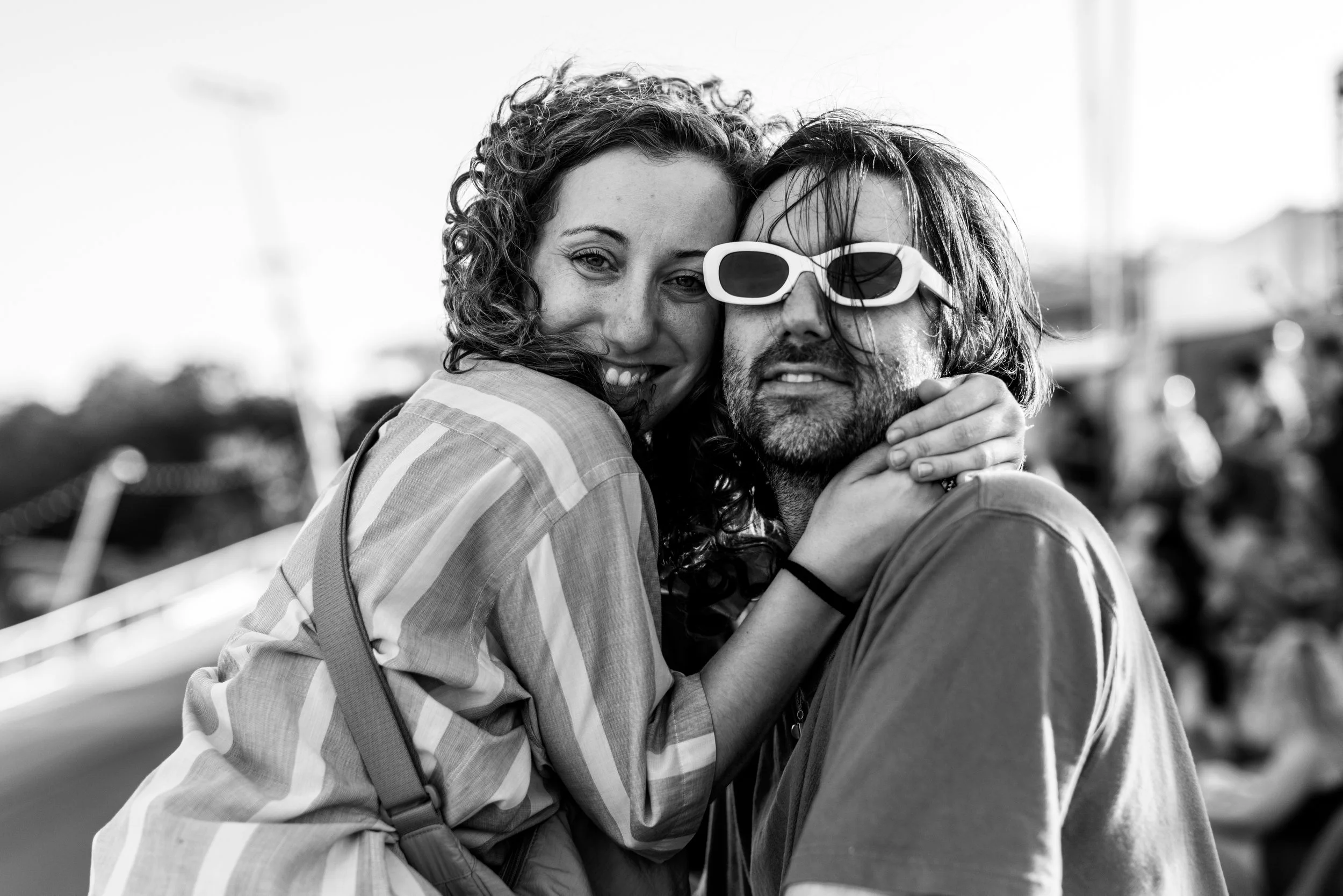
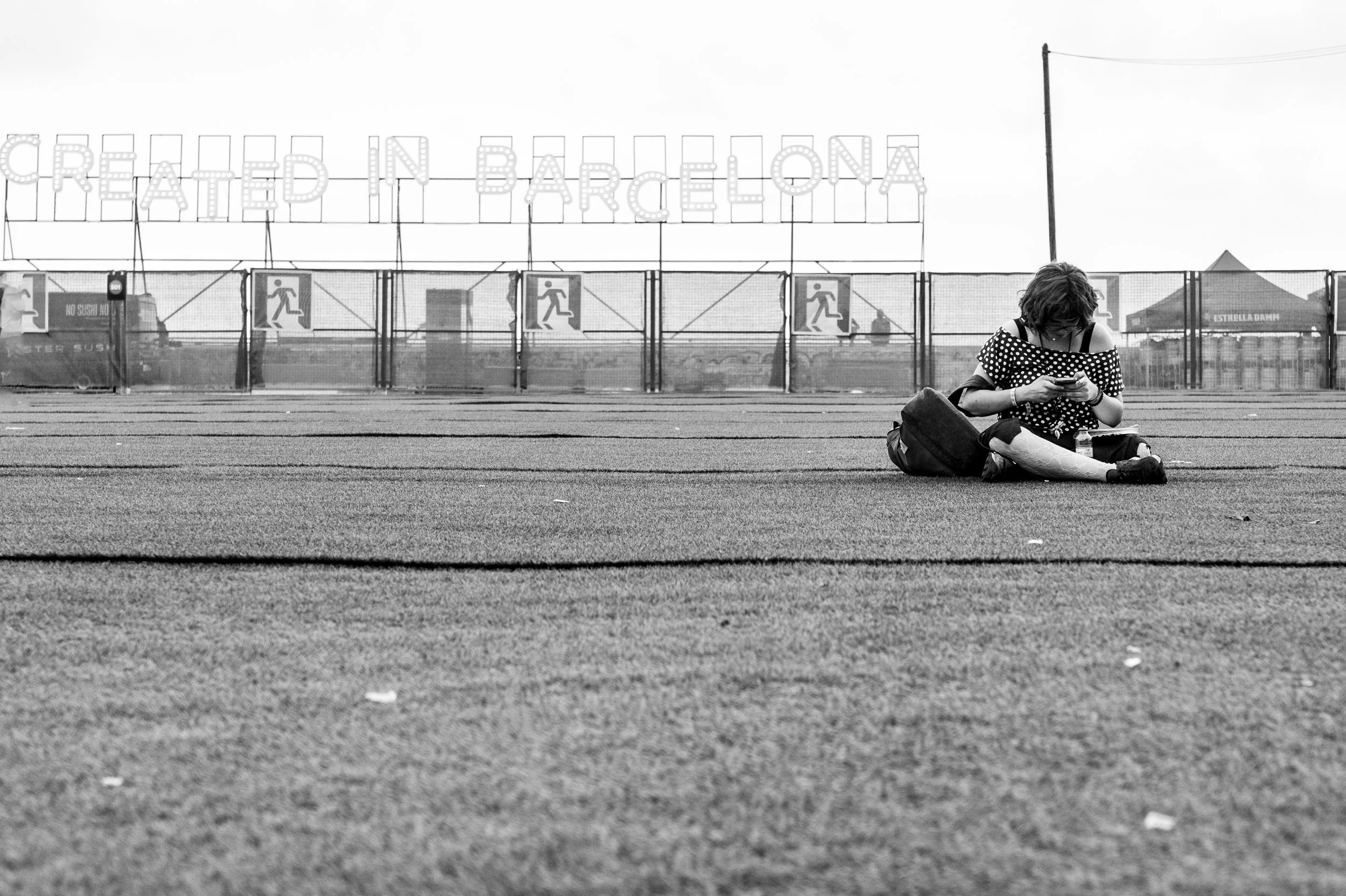
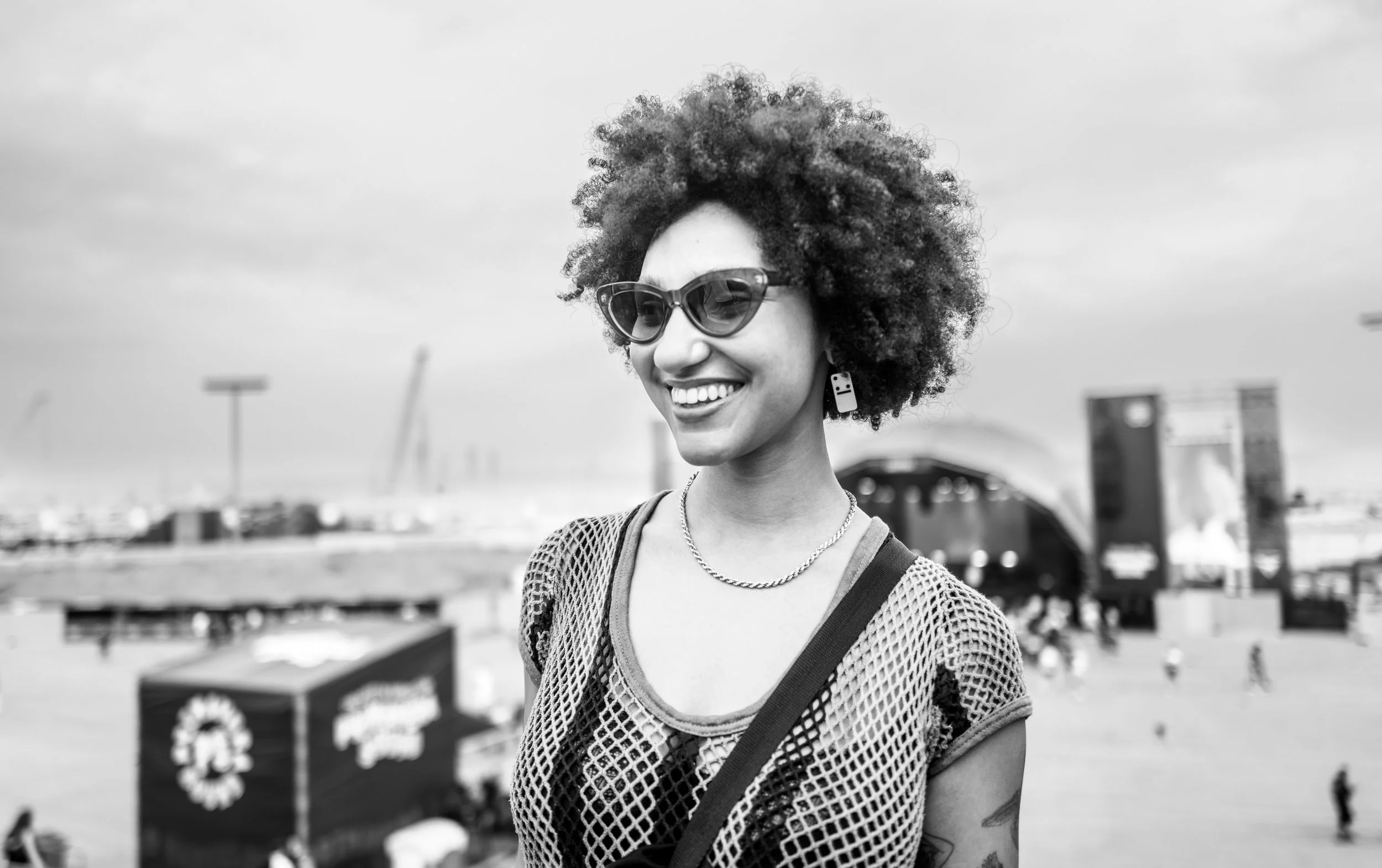
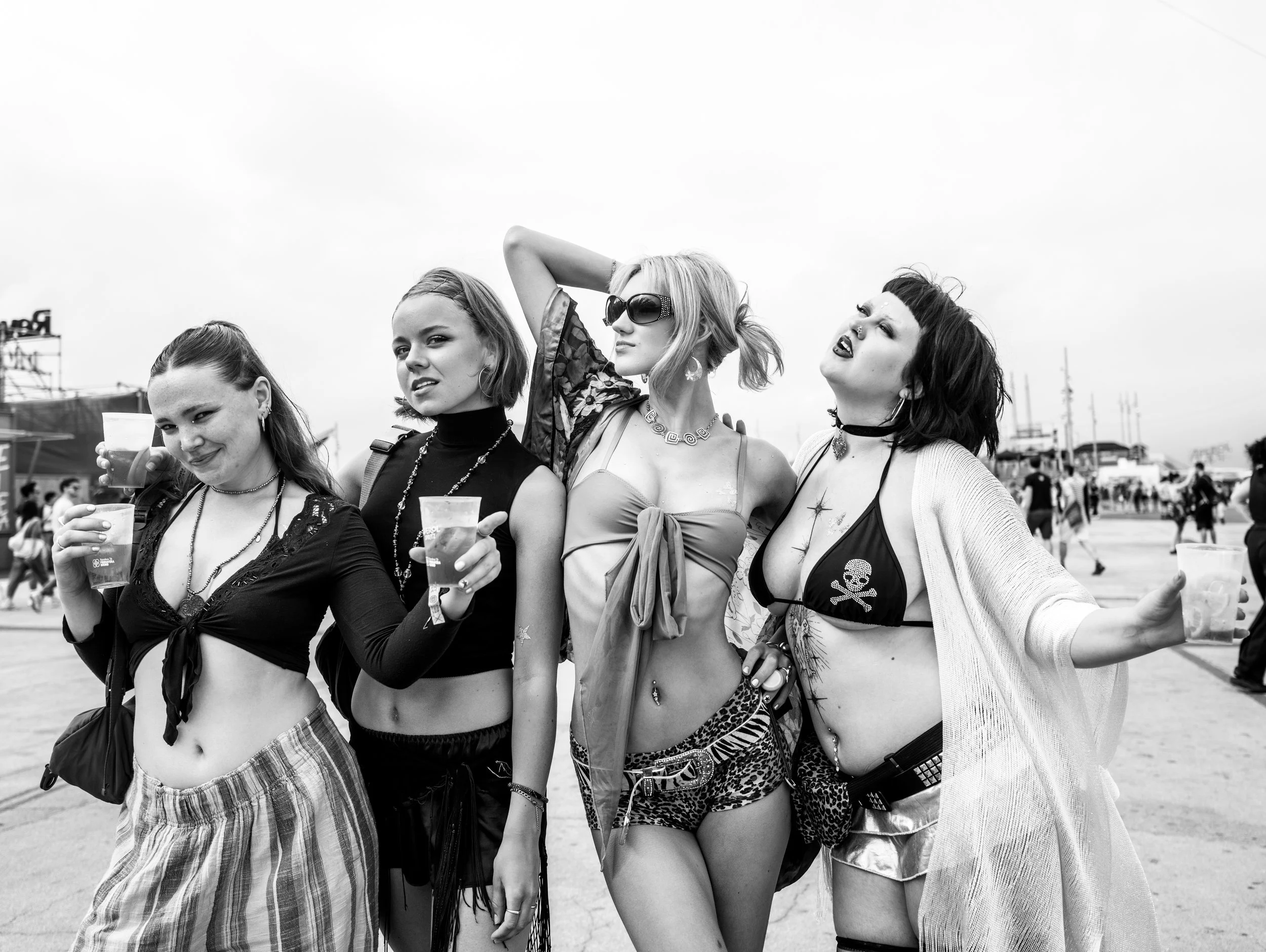
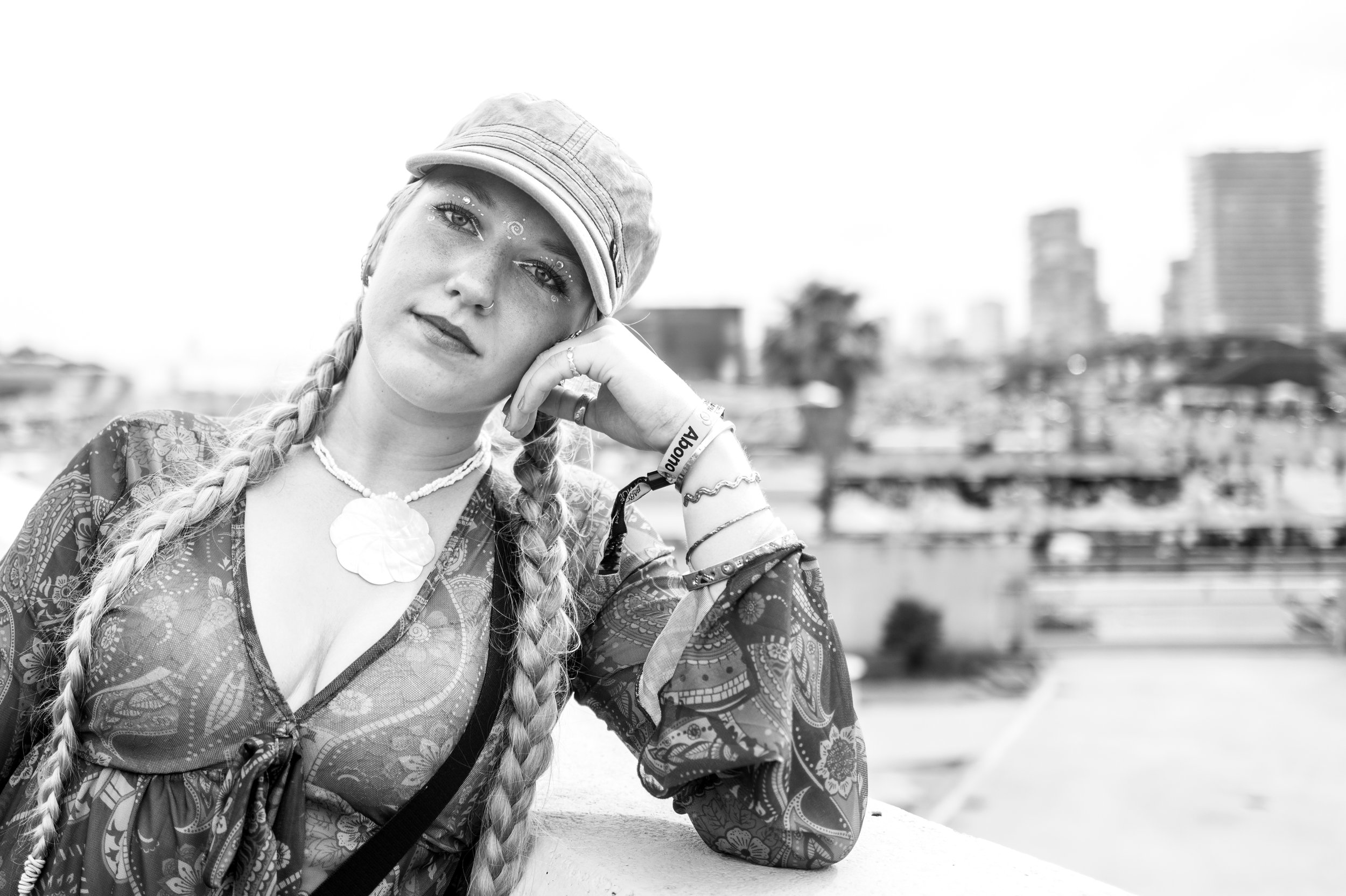
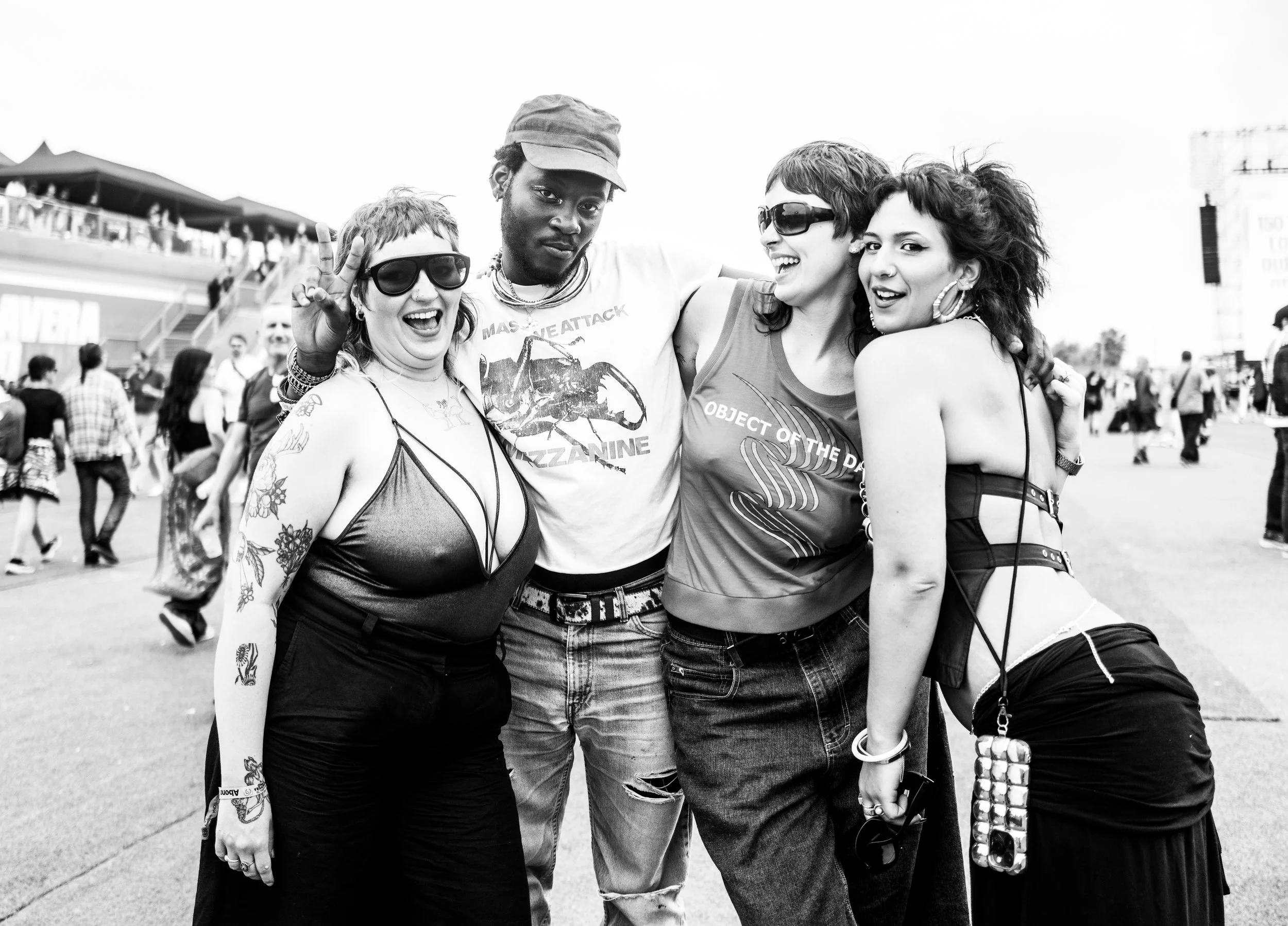
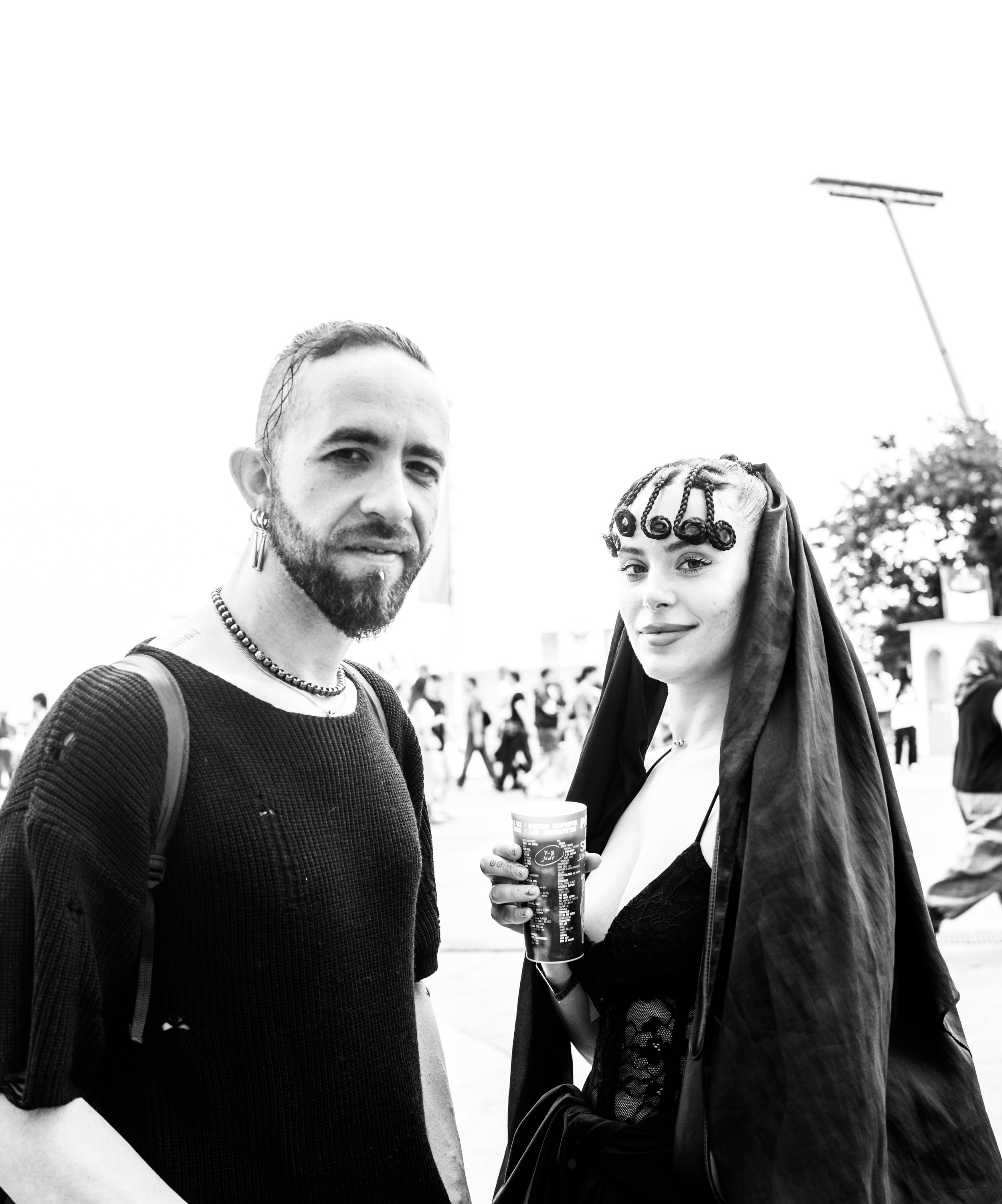
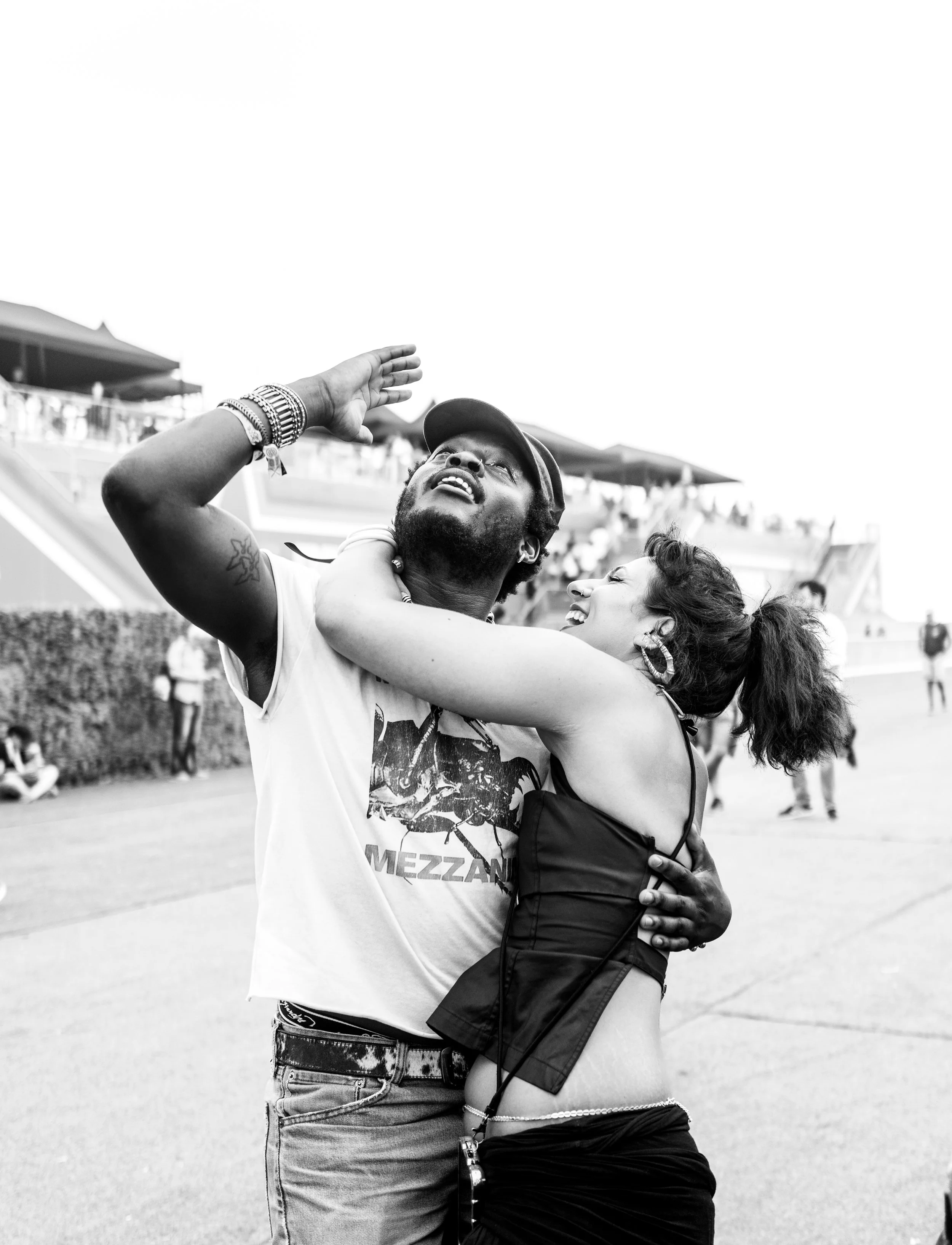
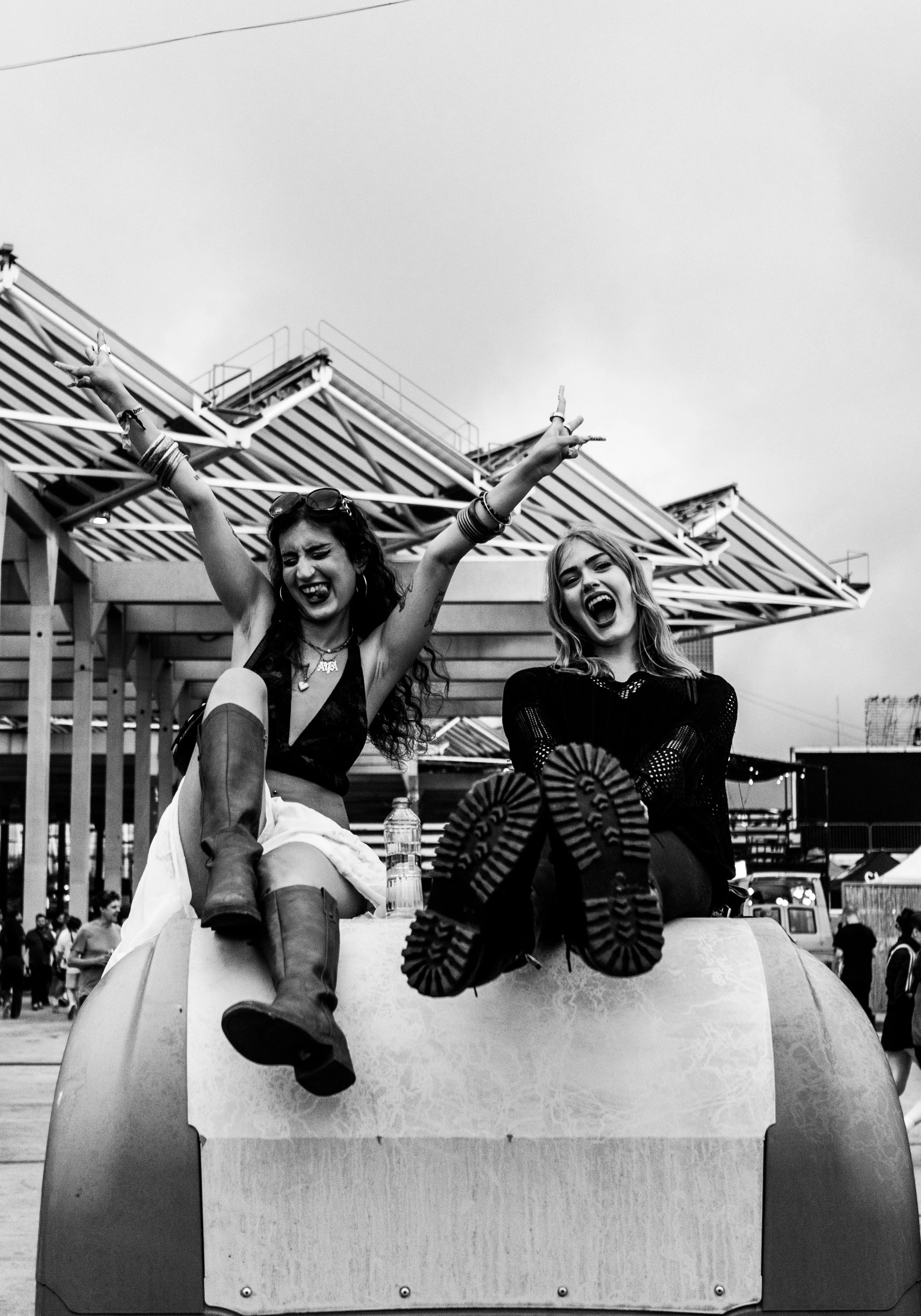
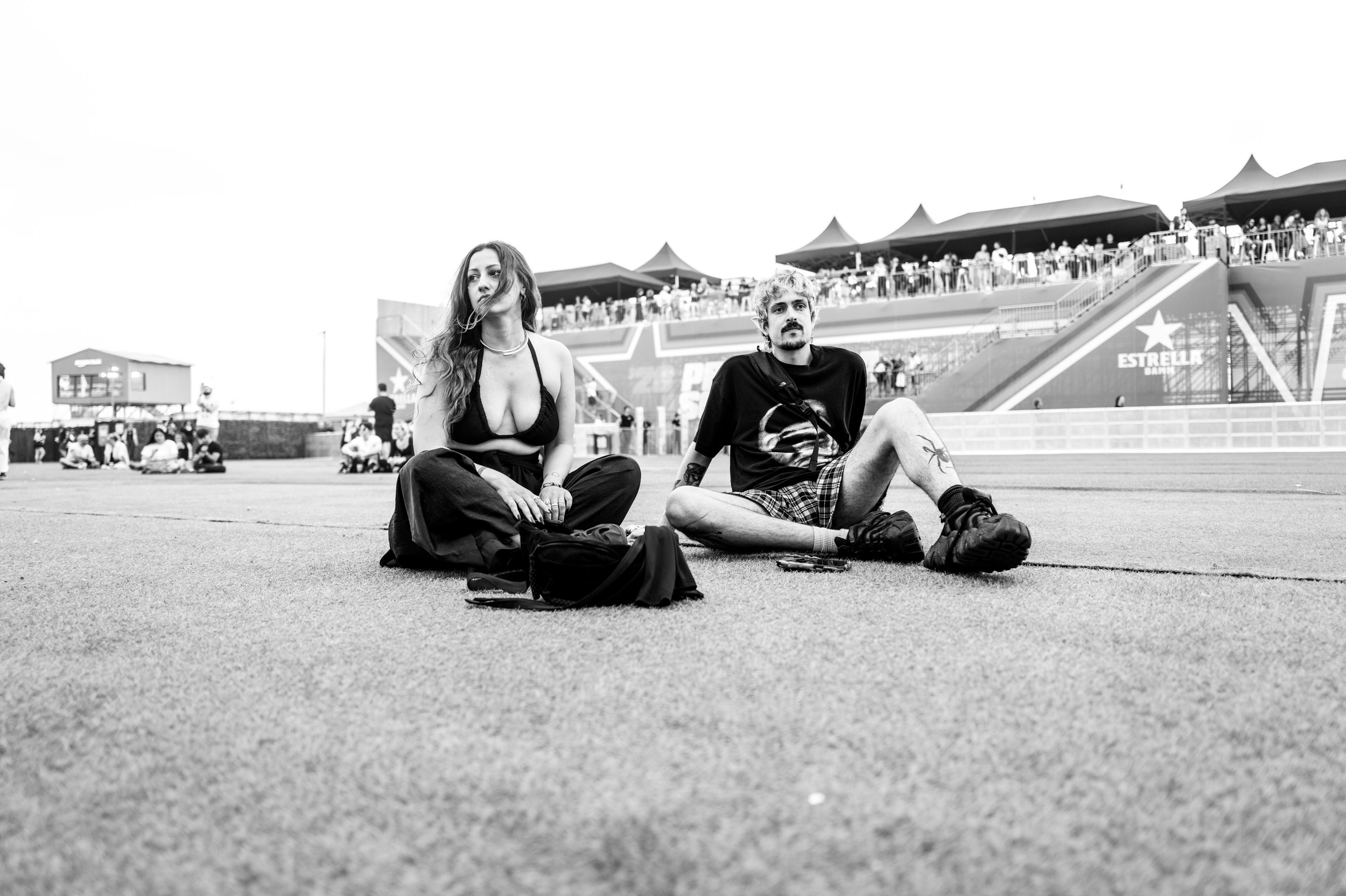
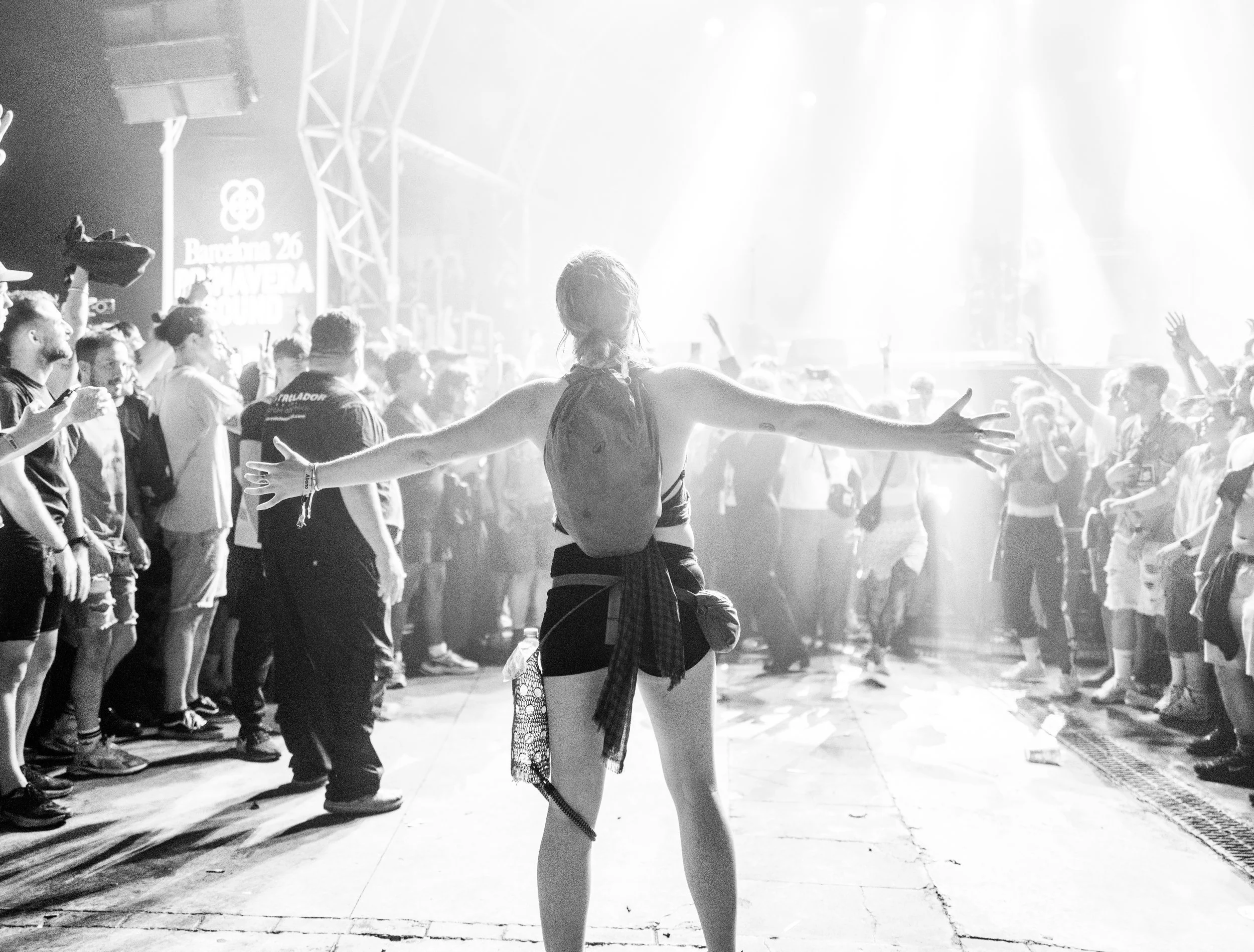
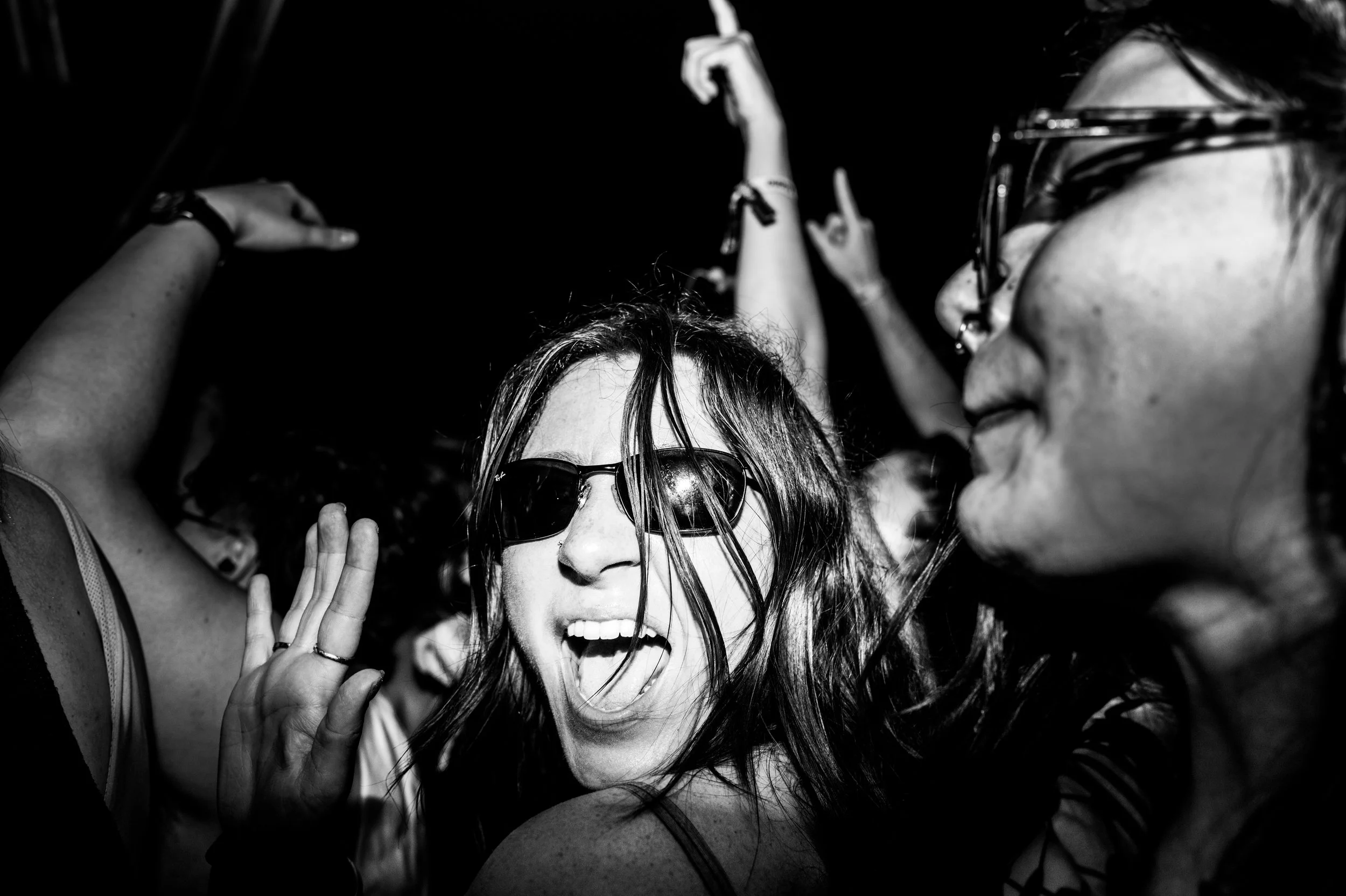
I came to Primavera Sound as a photographer. My press credentials came with one condition: no artist photography. Audience only. Like being invited into a chocolate factory and told not to touch the candy. At first, it seemed like a limitation. By the end of four days, it had become the most interesting creative constraint of the year. I turned my camera around and pointed it at the crowd. That became the work.
Primavera Sound is one of the largest festivals in Europe, yet it continues to feel as if it were designed around curiosity rather than demographics. Over four days, audiences moved between The Cure, My Bloody Valentine, Einstürzende Neubauten, Caroline, Agriculture, Merzbow, Matmos, Yard Act, Geese, Lambrini Girls, The XX, Knocked Loose, and Kneecap. On paper, many of those artists have little in common. At Primavera, they somehow make perfect sense together.
This was my version of the festival. My personal mixtape of live music. Someone else's version is equally valid and sounds completely different. That's the point. The lineup is not a single experience — it's a hundred possible festivals happening simultaneously, and you choose your own.
Long before reaching the festival grounds, Primavera had already begun. On Thursday morning, a rapper performed inside a crowded metro car, turning a routine commute into an unofficial opening act. The festival spills beyond its official boundaries. It always has.
By day, the grounds look almost civilized. Friends search for shade. Tourists, locals, music obsessives, and curious first-timers occupy the same space. And children are everywhere — families moving through together, parents carrying sleepy kids on their shoulders, toddlers making their way through the crowd with the determination only toddlers possess. At one point, I watched a small child taking what looked like her first independent steps, her parents following a few feet behind. Fest-cred unlocked before she could even talk.
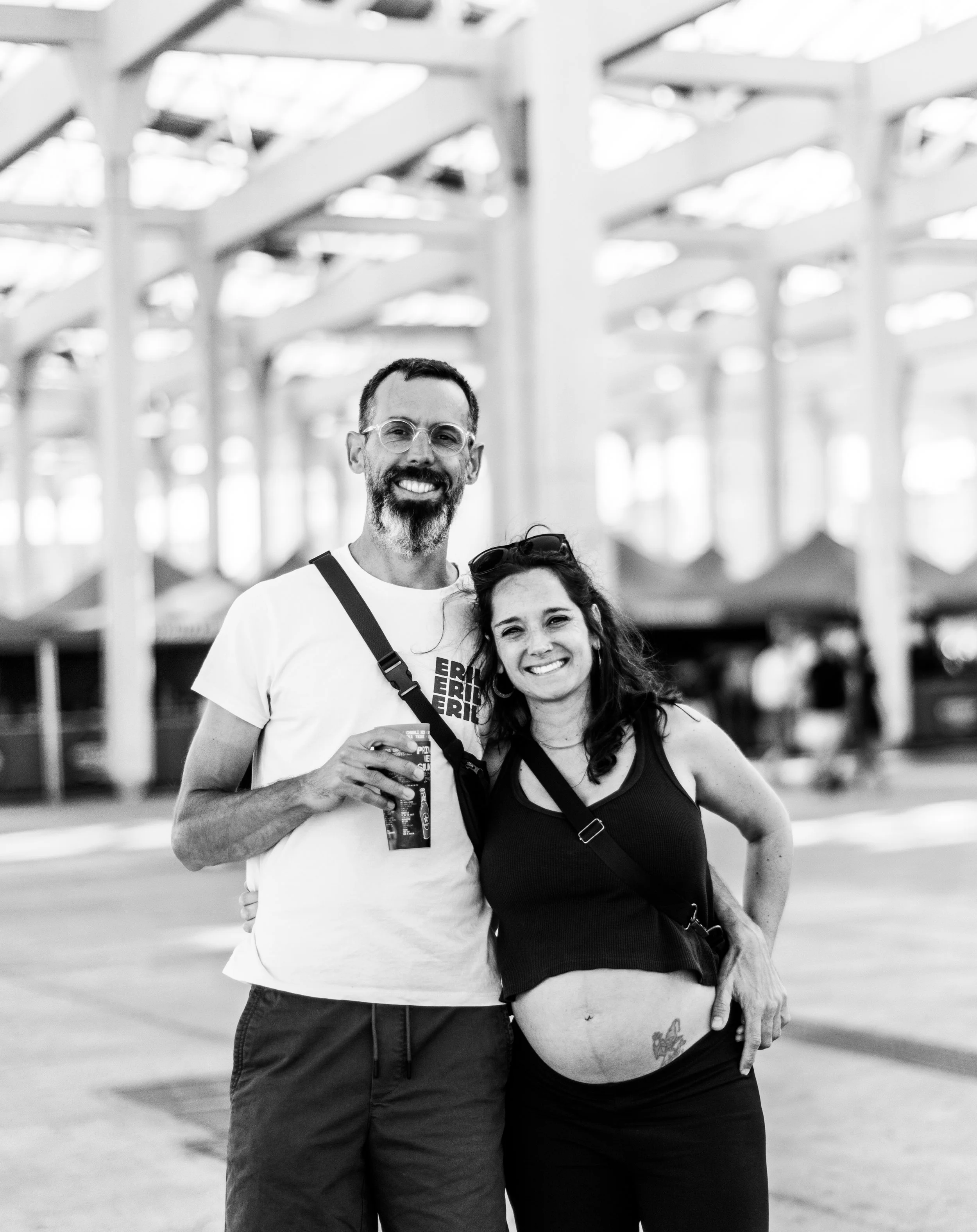
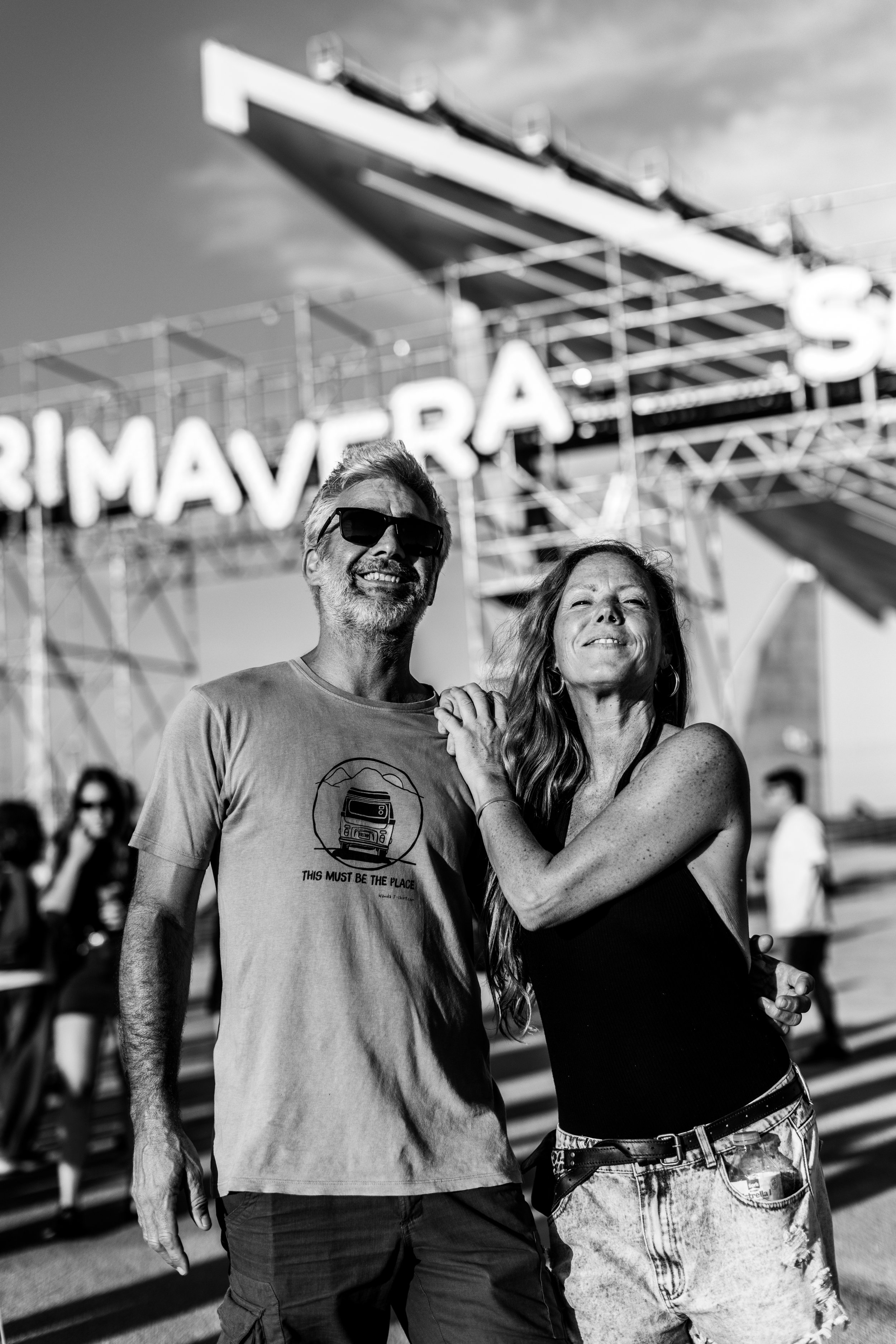
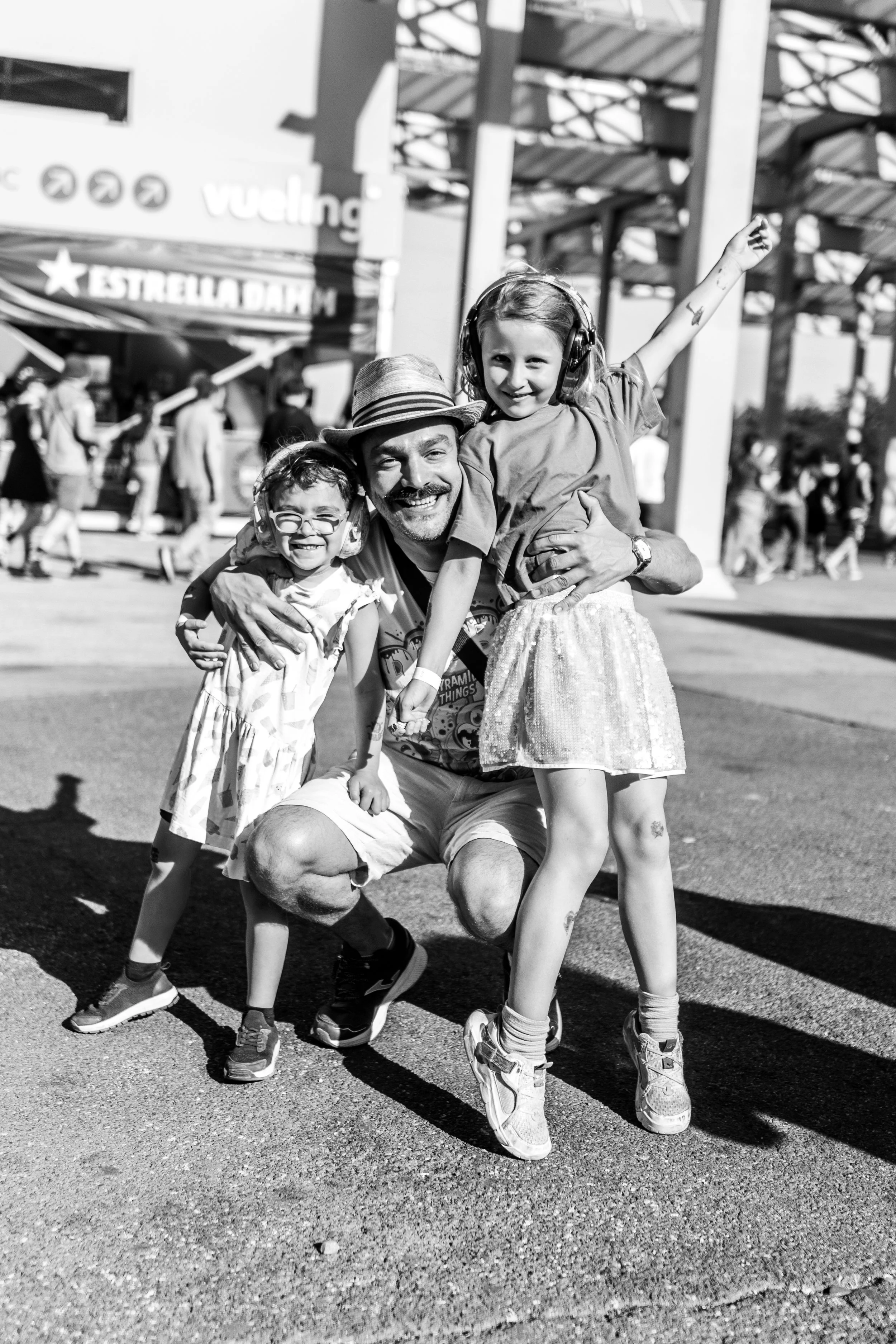
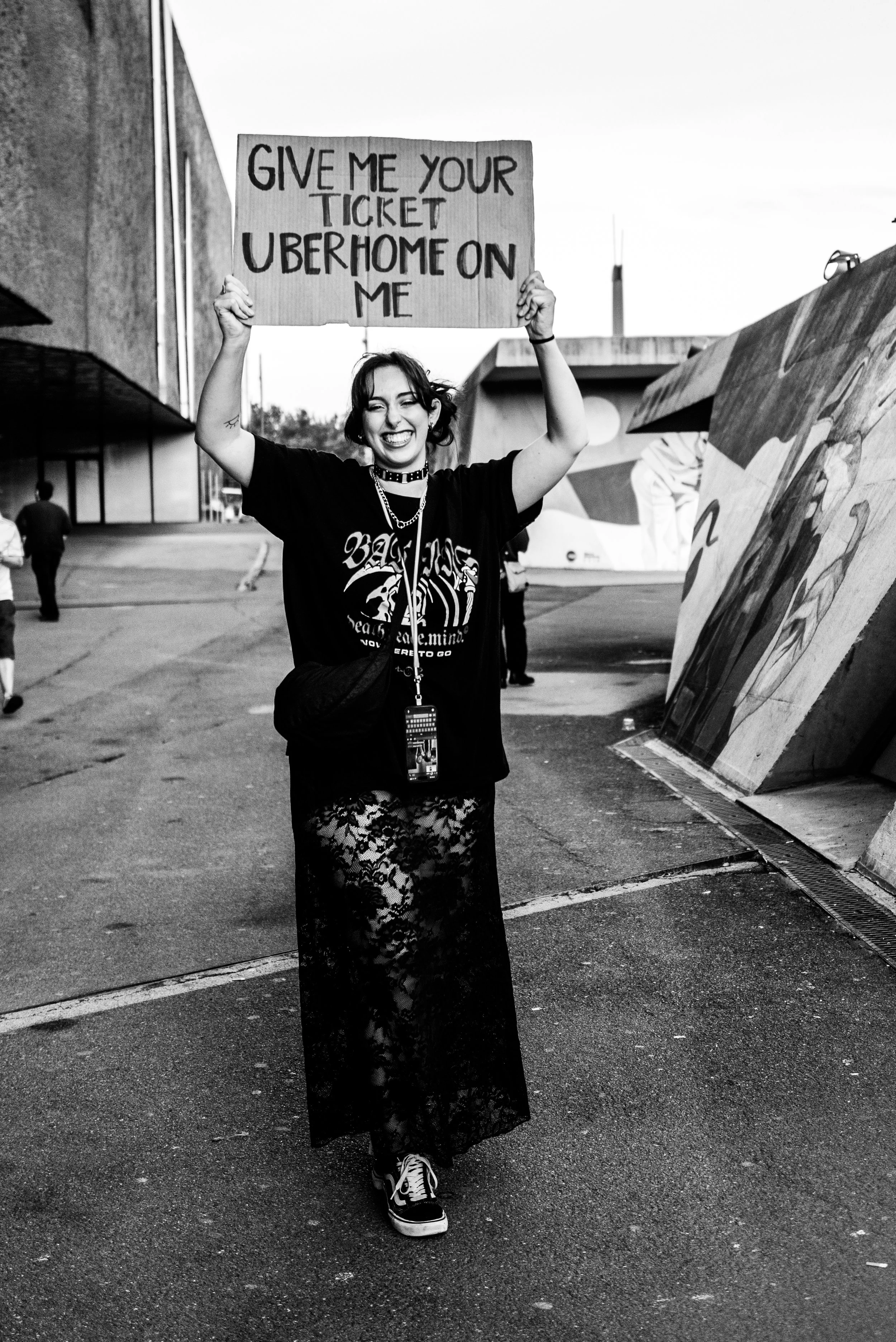
It was evidence that Primavera is not simply a collection of concerts. It is a community that somehow makes room for both a child learning to walk and a crowd throwing themselves into a pit at three in the morning.
By night, the city shifts. Conversations dissolve into bass frequencies. Sleep schedules are abandoned. Thousands of people begin migrating between stages, chasing entirely different versions of the same experience.
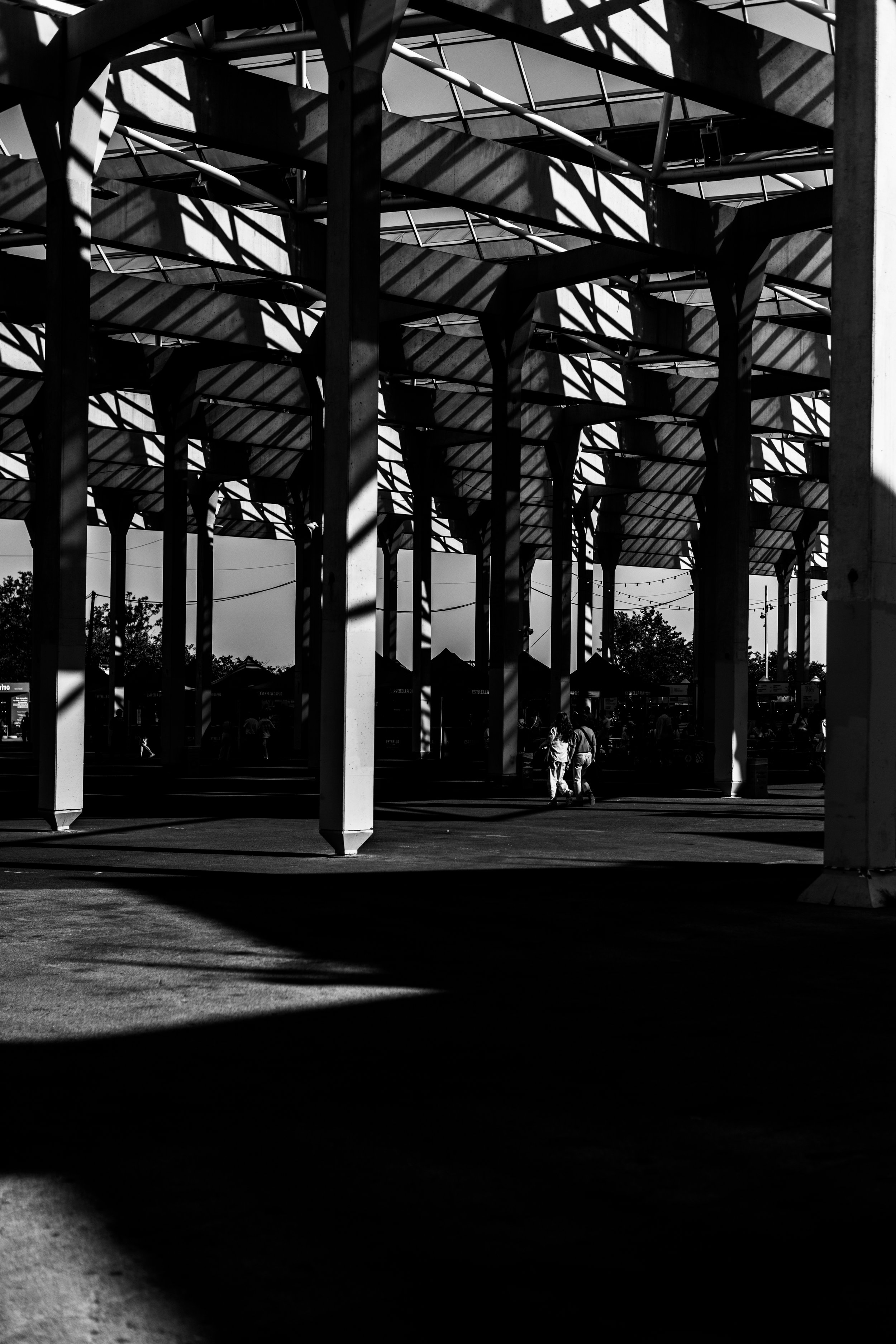
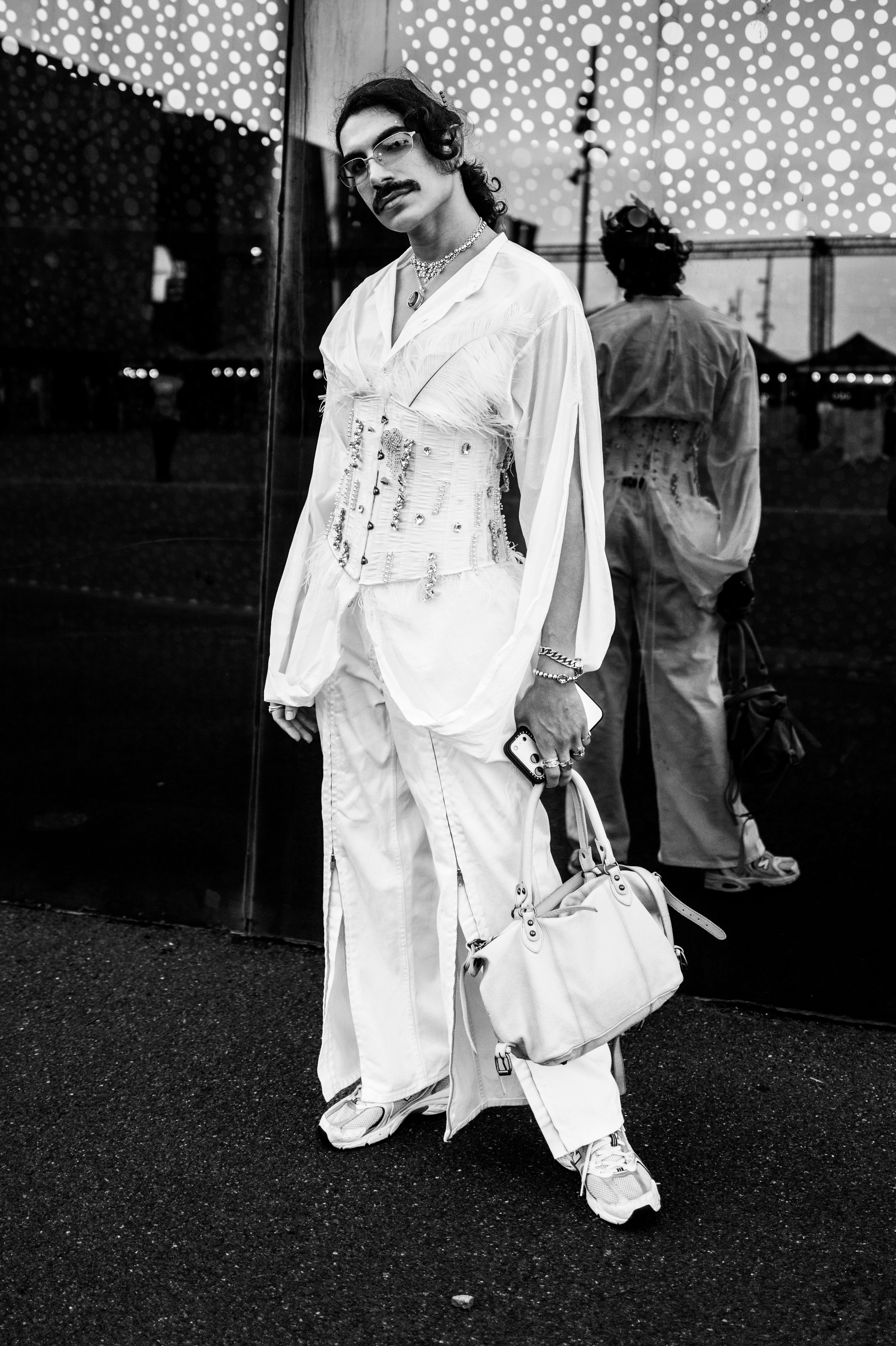
My version of the festival began with Yard Act — sharp wit, restless energy, the perfect opening chapter. A palate cleanser before the sensory overload to come.
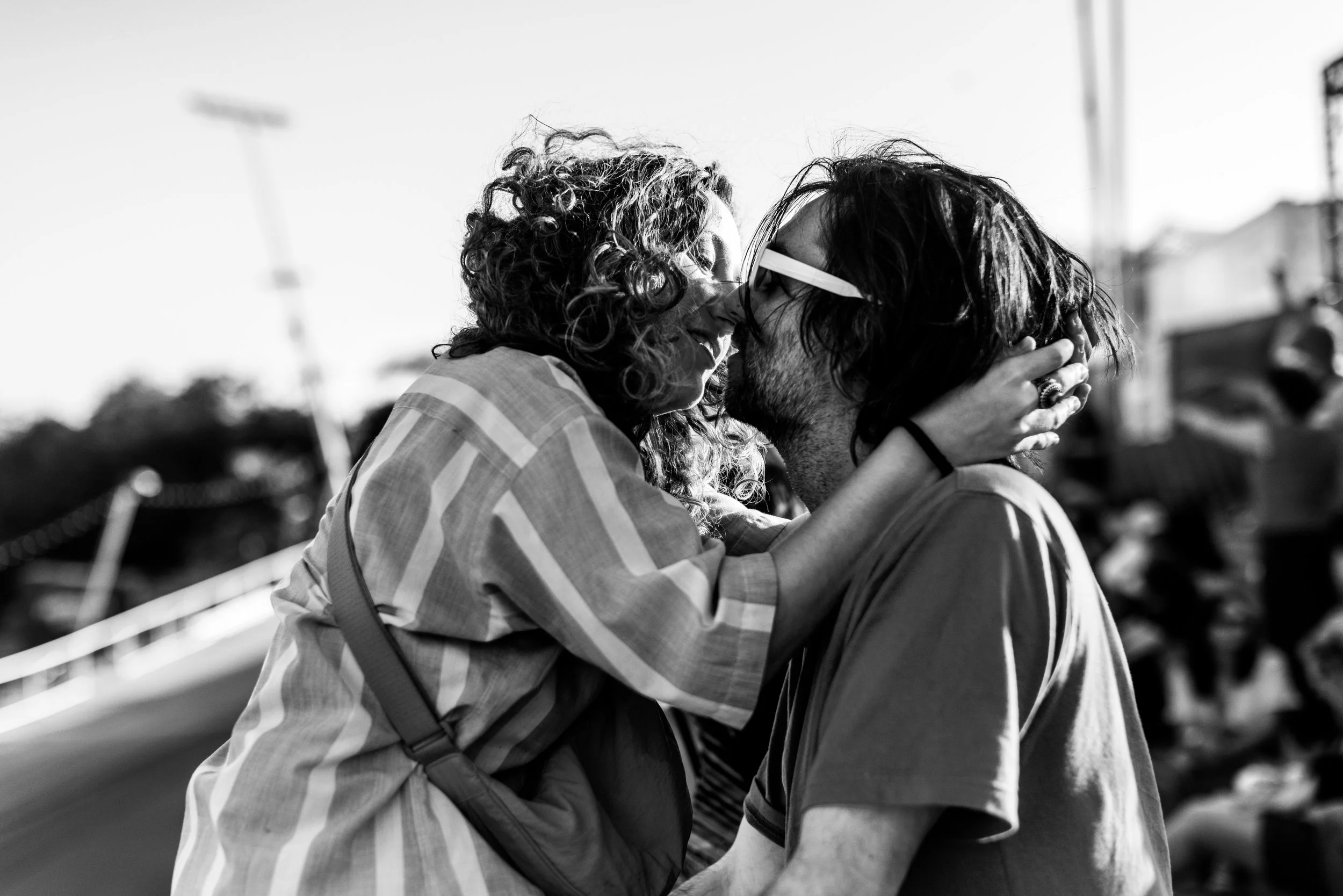
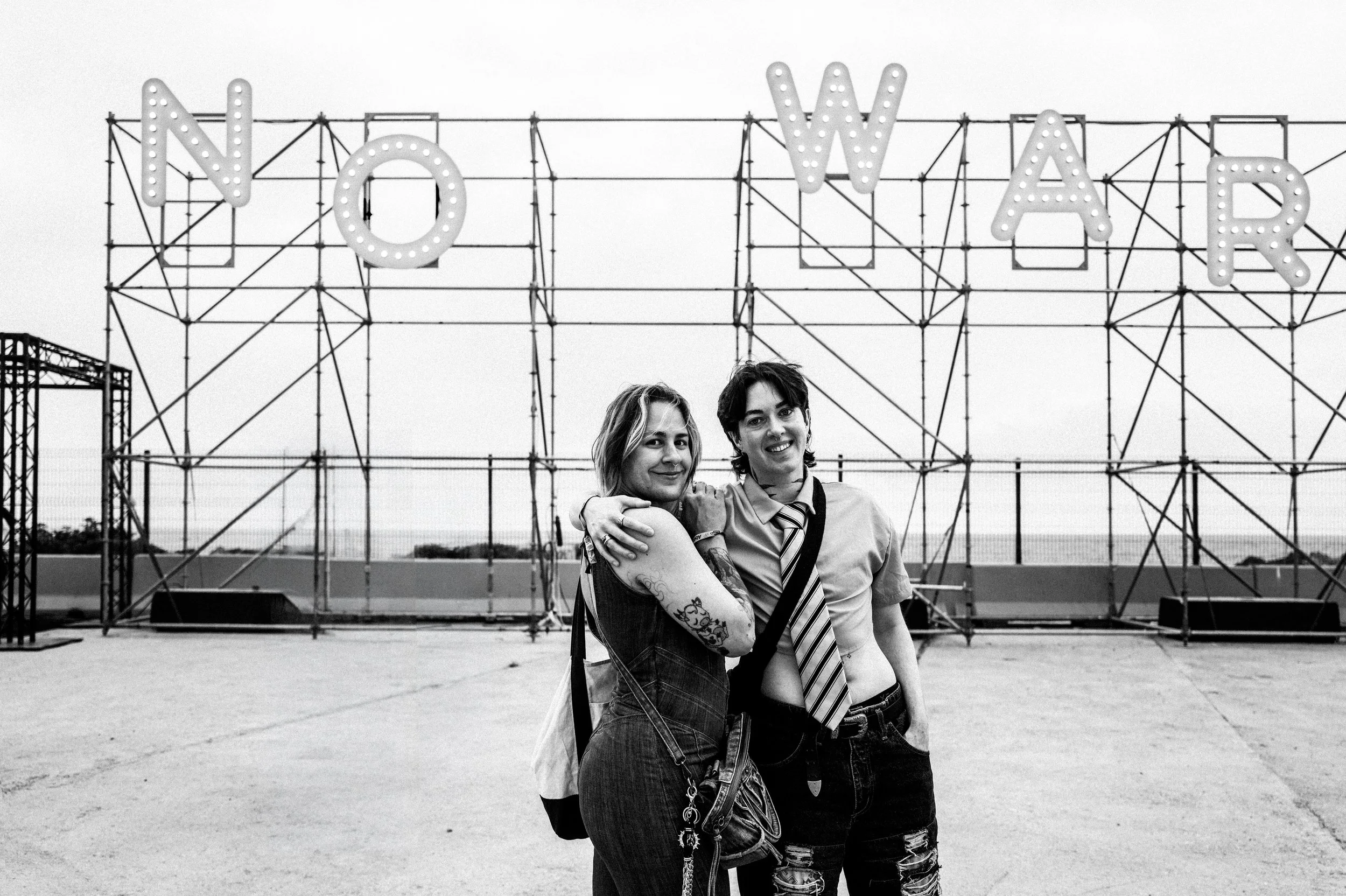
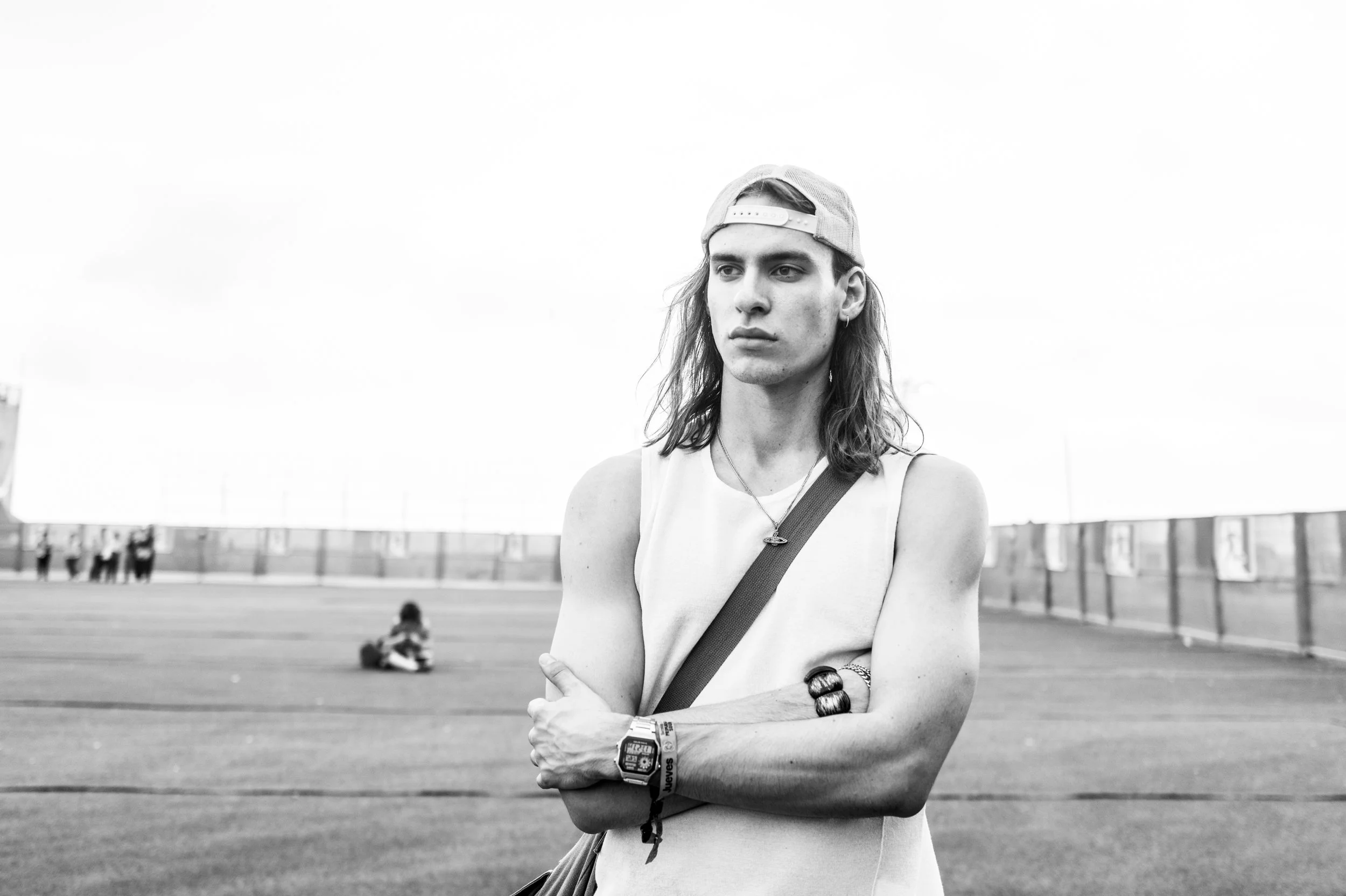
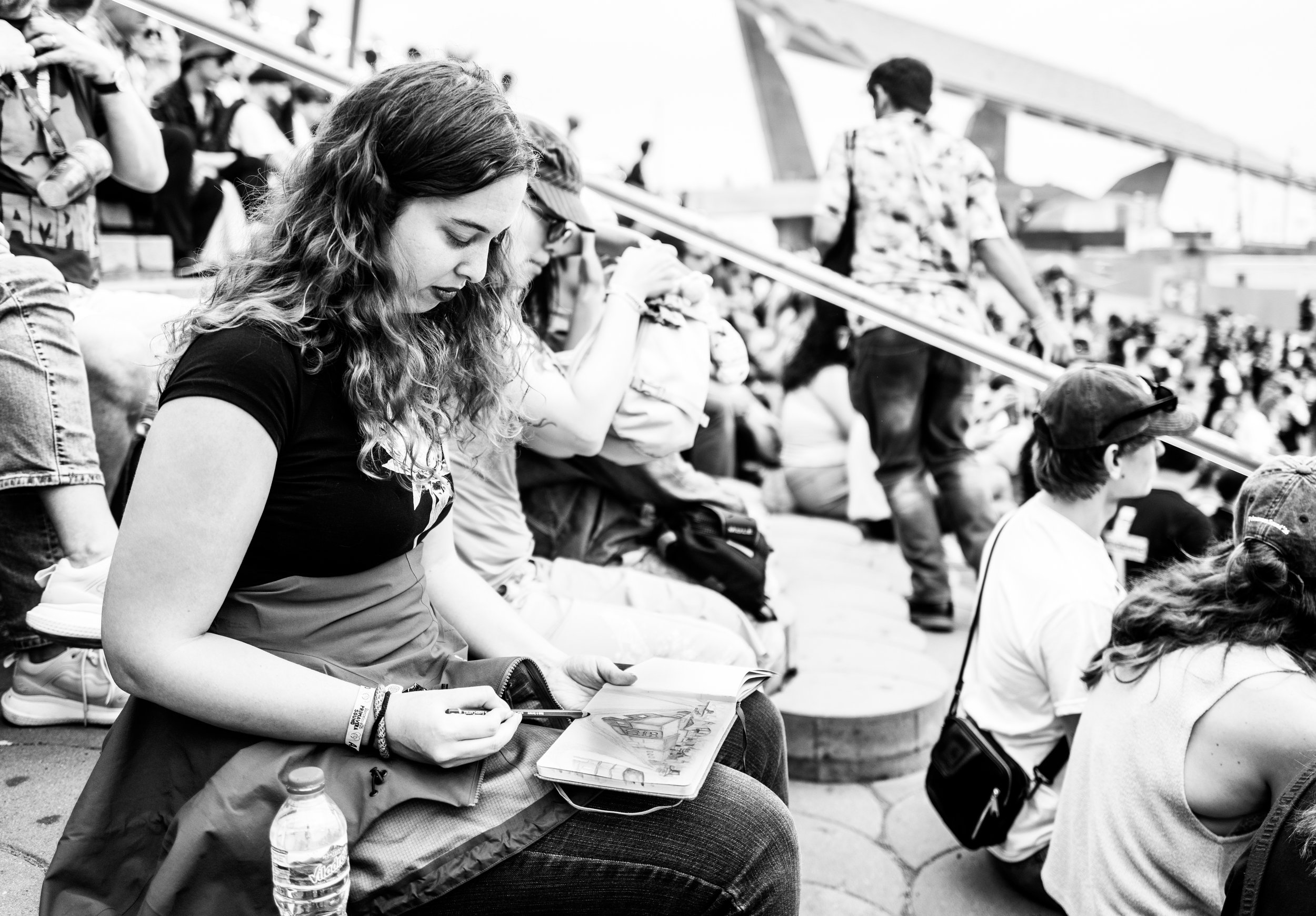
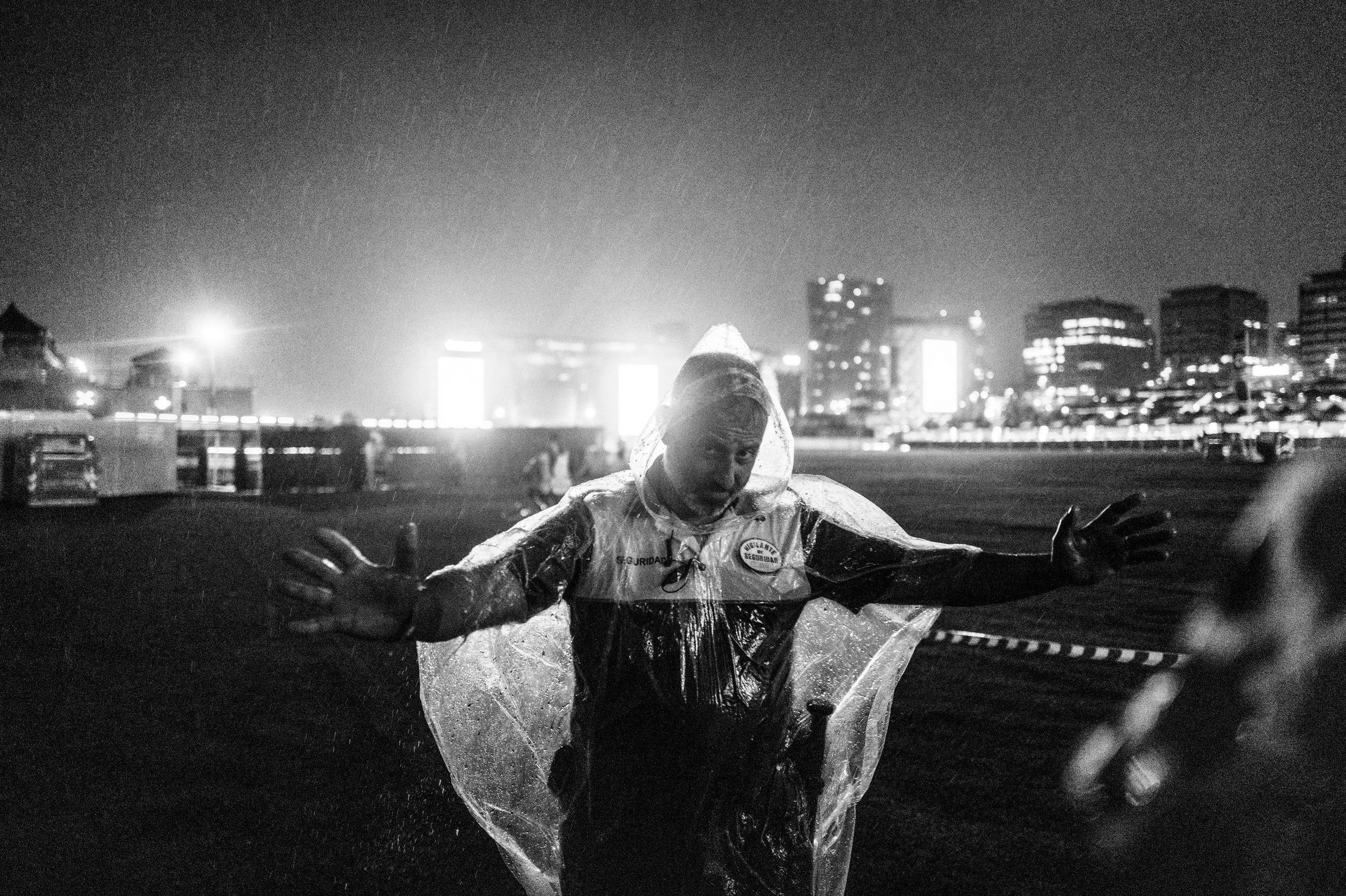
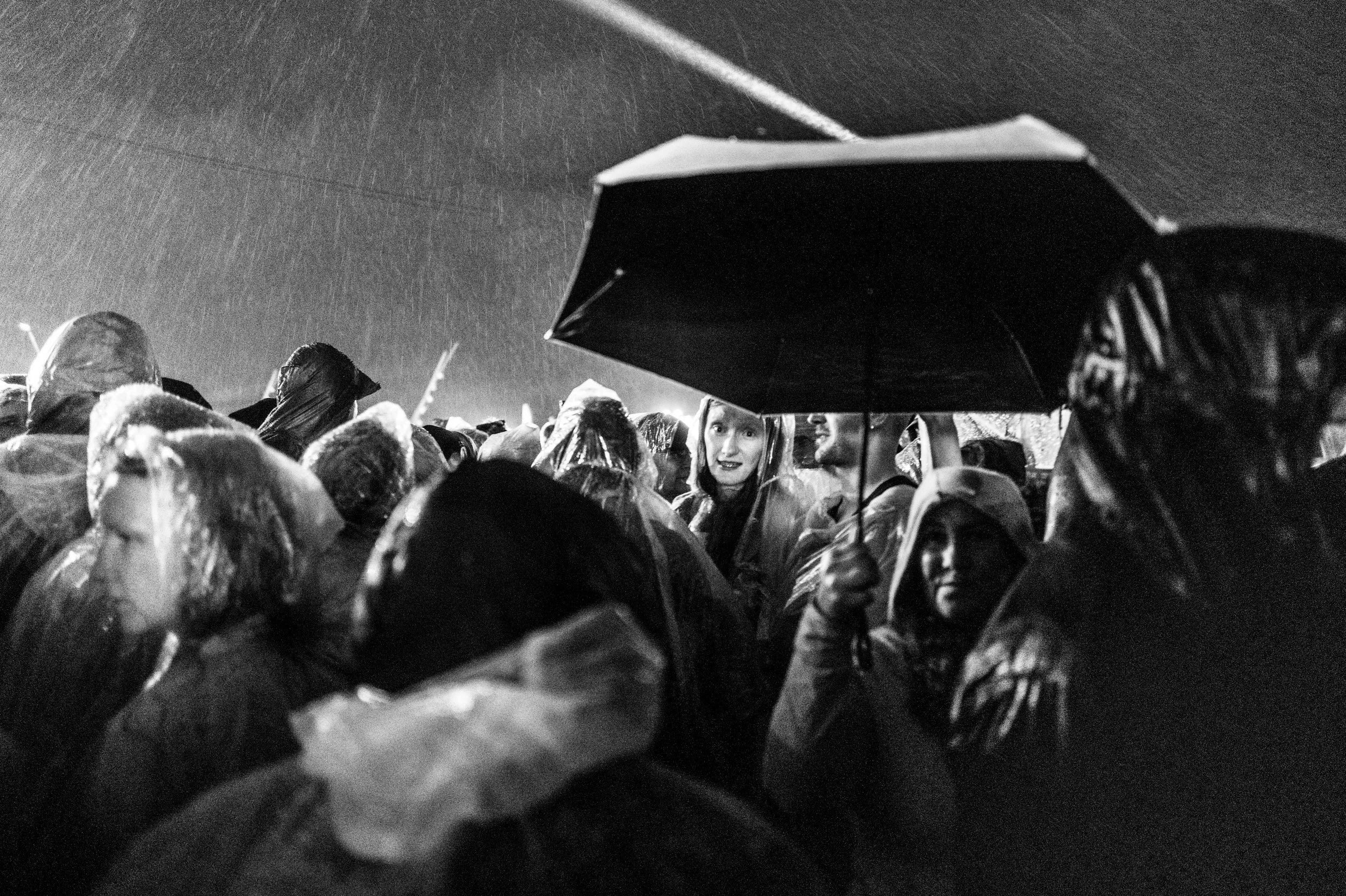
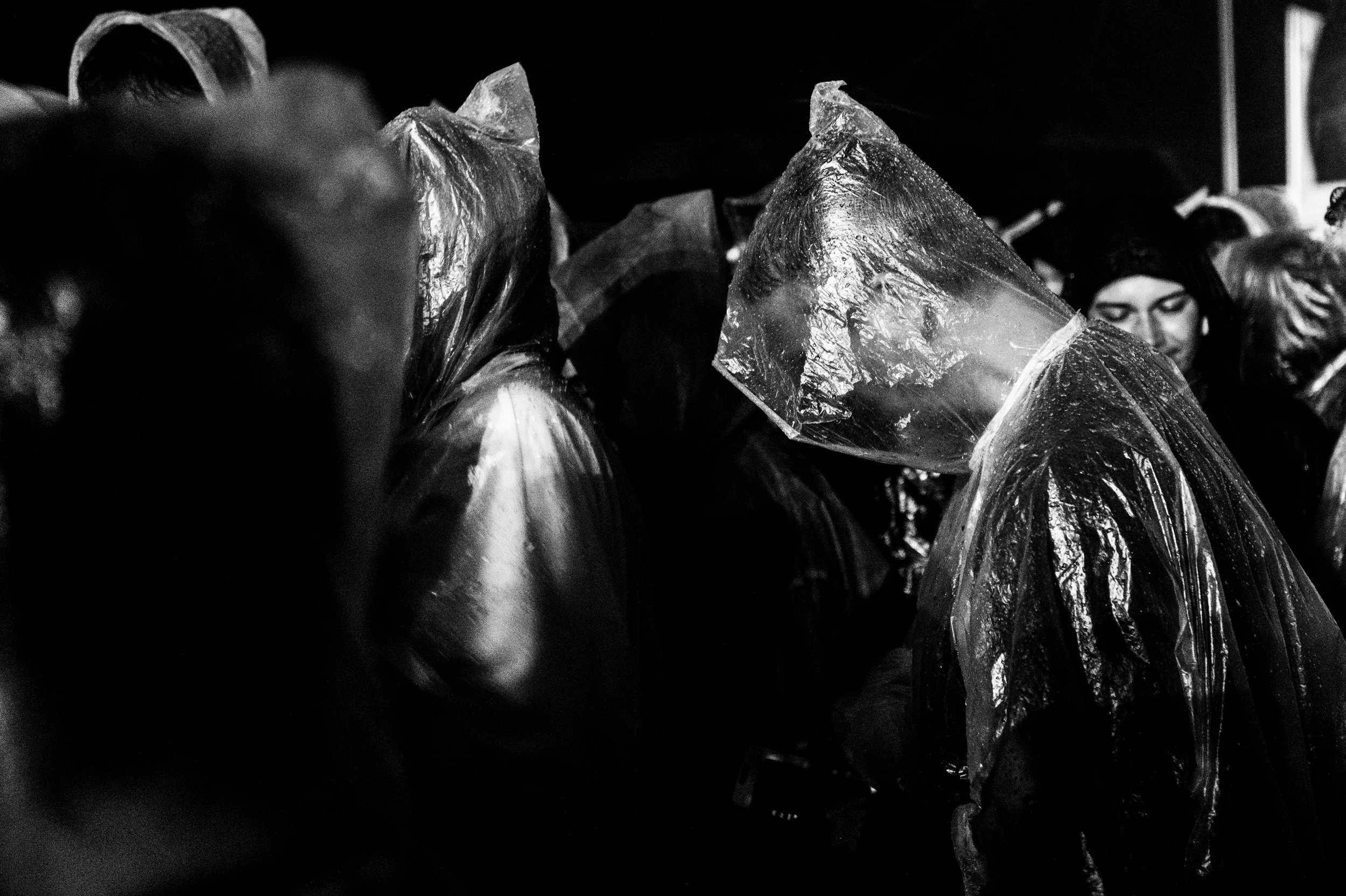
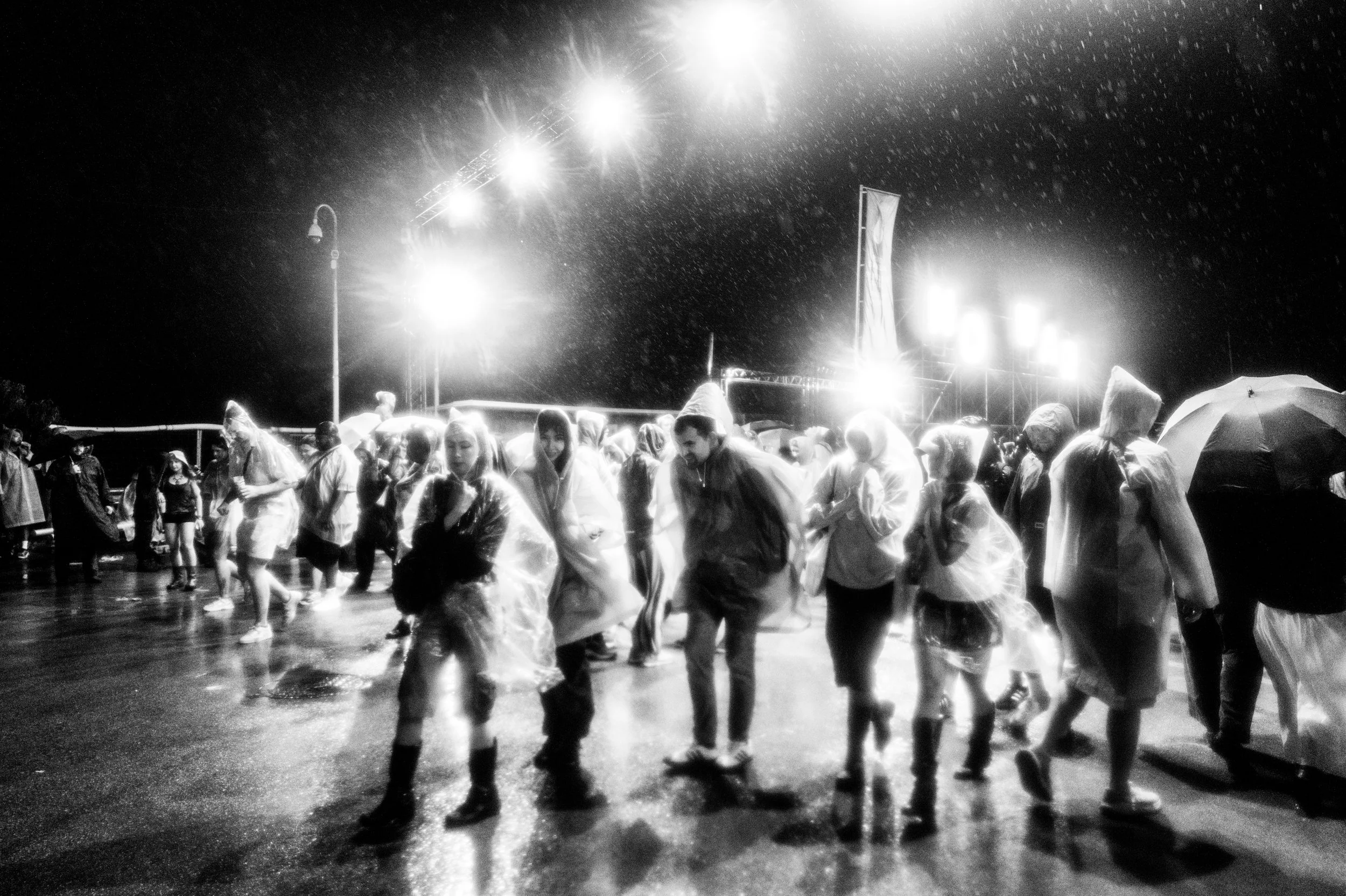
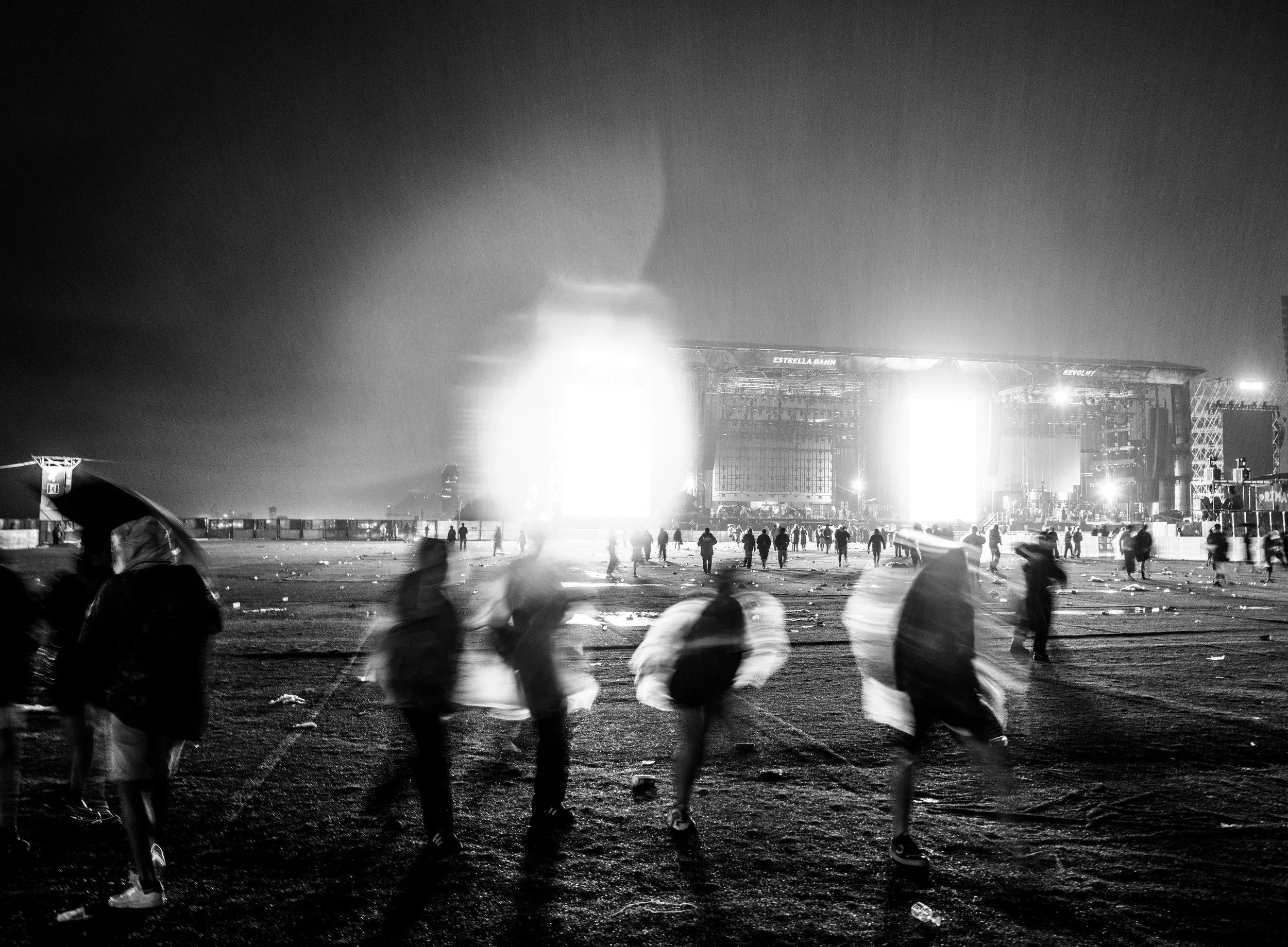
Then came the rain, lots of it. And with it, one of the weekend's strangest nights.
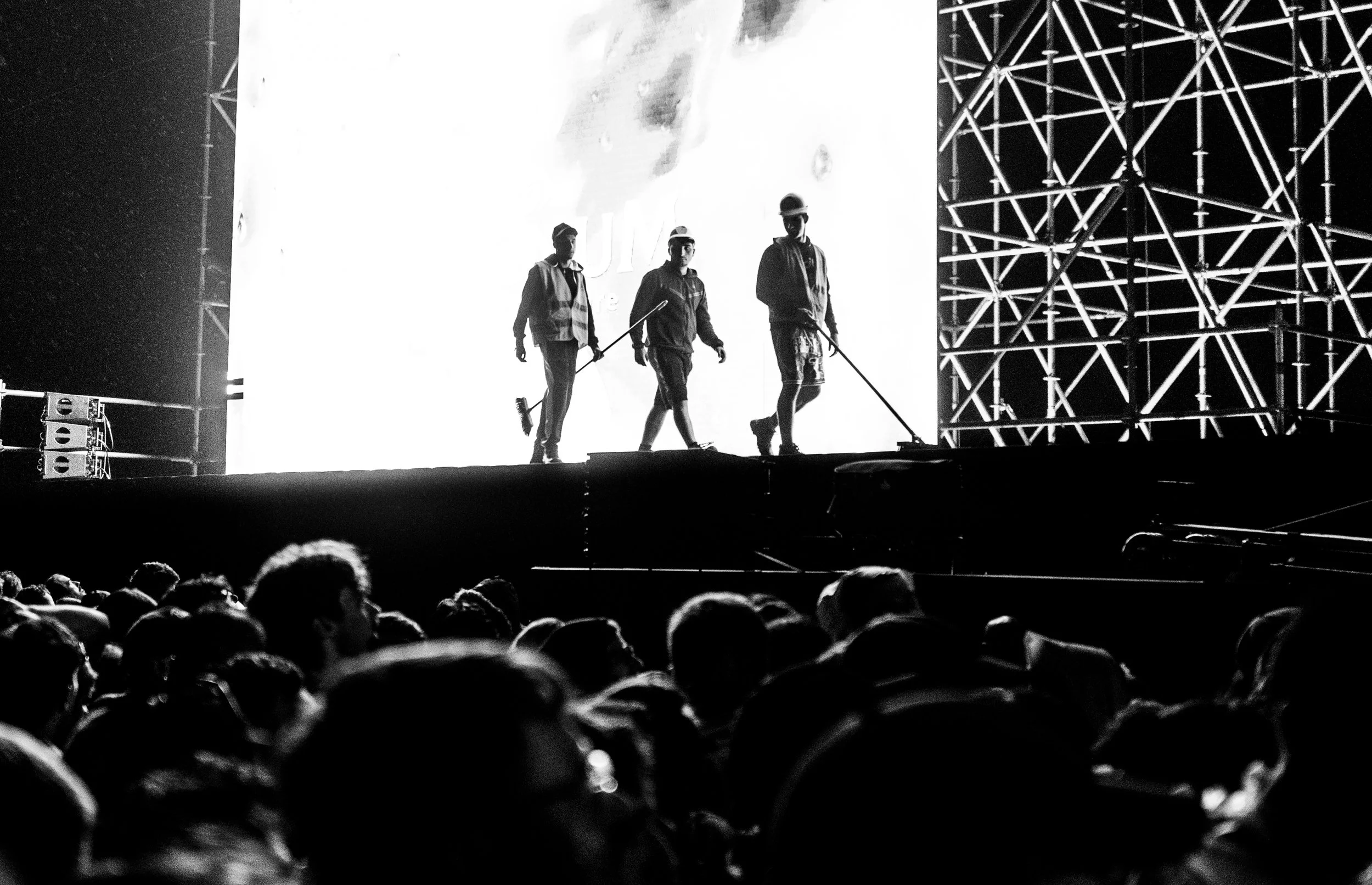
Massive Attack's performance was among the most anticipated of the festival. When the storm arrived, the show was suspended. Then the rain stopped. News circulated that the concert was back on. The crowd reassembled in front of the stage. The crew worked and removed water from the stage. The setup was nearly complete. For a few hours, hope had a physical form — it looked like a stage almost ready, a crowd already there, energy rebuilding itself in real time, and someone was uncovering the drum kit.
Then, around 1am, the cancellation came.
Thousands of people stood in front of a stage that would stay dark. I spent that night outside the venue, photographing the waiting. The suspended anticipation. People who had traveled from across Europe stood in the aftermath of something that never arrived. It turned out to be some of the most interesting shooting of the weekend — not despite the cancellation, but because of it.
A few hours earlier, elsewhere on the grounds, Geese pushed forward with the stubborn confidence of a New York band that understands chaos. Agriculture, as the sun was setting, did the same. Caroline delivered one of the most beautiful performances of the festival, proving that intimacy can survive even inside an event of this scale.
And then there was Einstürzende Neubauten.
More than twenty years had passed since I last saw them; they never play in the US, visa issues, a myriad of cancellations, and then a global pandemic. Twenty-two years, one month, and twelve days, to be exact. Back then, I was not yet a photographer. I carried a small point-and-shoot and took terrible pictures that somehow survived. I still have them.
Watching Neubauten again in Barcelona felt less like attending a concert and more like reopening a conversation that had never fully ended. Twenty-two years compressed in one instant.
Industrial music is often reduced to aggression, but Neubauten have always understood something deeper: noise can carry memory. Their music remains experimental, but it no longer feels confrontational. It feels lived in. Blixa barefoot, making beautiful noise. Nothing has changed. Everything has changed.
Sitting in a small auditorium in the middle of a festival better known for massive stages and endless movement, I found myself unexpectedly emotional. Not because I was revisiting the past, but because the song still felt present. Twenty-two years later, it still had something to say.
The rest of the weekend continued to oscillate between extremes.
The Cure arrived with the kind of entrance only legends can command. Seeing Robert Smith on a stage of that size felt surreal — and hearing Reeves Gabrels' guitar work, the same adventurous spirit he brought to his years with Bowie, embedded in The Cure's songs added an entirely new dimension to the performance.
Matmos, who helped Björk shape the sonic world of Vespertine, delivered the opposite experience in a smaller room — an indication that some of the most adventurous music still flourishes in intimate spaces. Merzbow transformed pure noise into something strangely physical. Volume is both a confrontation and an art form.
My Bloody Valentine delivered a wall of sound that felt somehow clearer and more beautiful than ever. Gorillaz remain the rare cartoon band that became more real than many flesh-and-blood acts. Watching The xx command a massive festival stage was quietly remarkable — I remembered seeing them years ago in much smaller rooms, before the world caught up with them. Their music remains timeless because it never chased the moment.
Lambrini Girls were among the most urgent performances of the weekend. Politically sharp, musically fearless. Knocked Loose provided the necessary dose of metal catharsis.
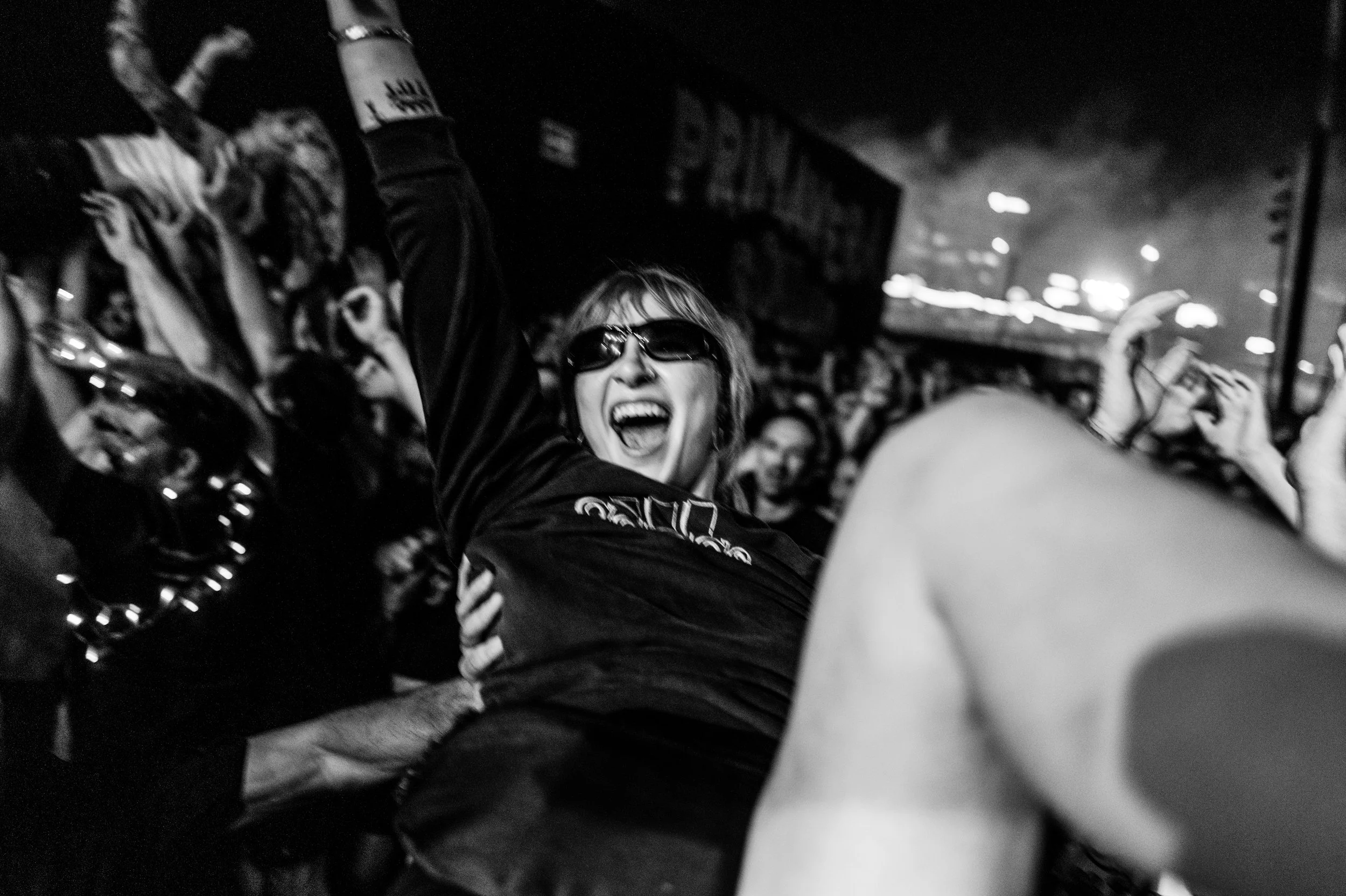
And then came Saturday night. (Or we can call it Sunday am)
At three in the morning, on the fourth day of the festival, exhaustion should have won.
By that point, the experience had become strangely physical. You stop measuring time in hours and start measuring it in sets. Meals become an afterthought. Sleep becomes a negotiation. Distances that seemed reasonable on Thursday feel impossible on Sunday.
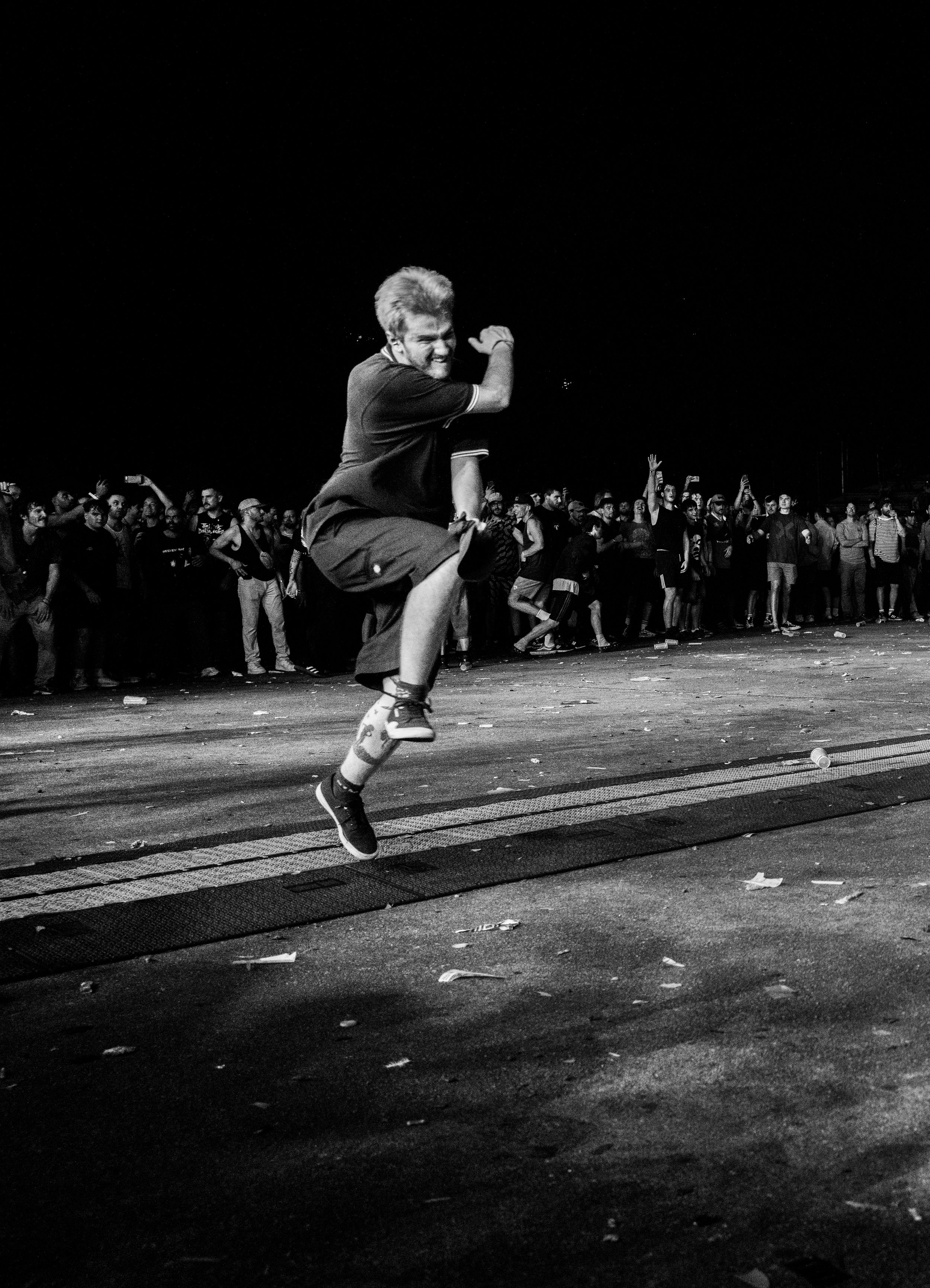
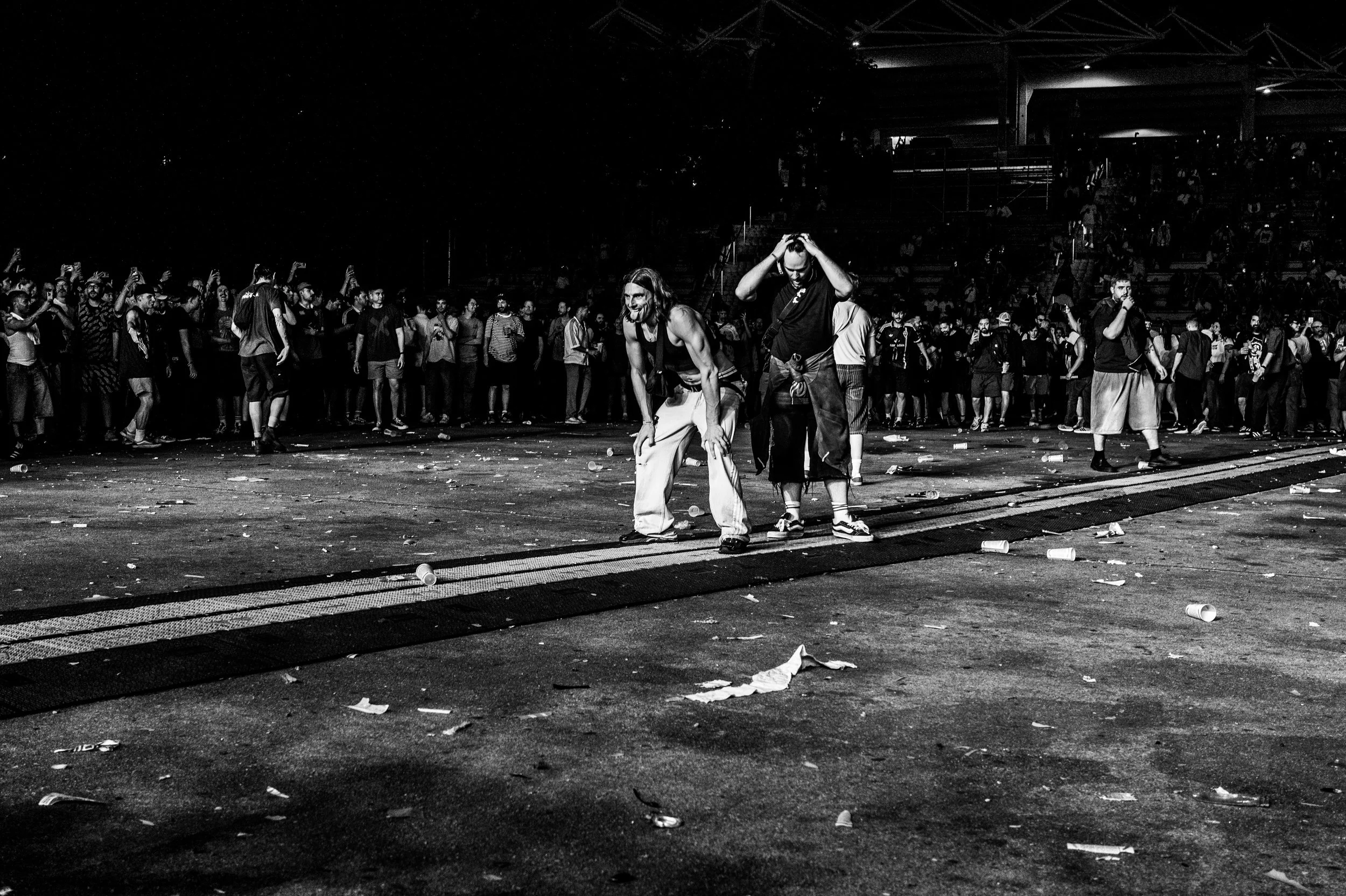
Kneecap was already at full intensity when it happened, the most dangerous band of the moment.
Grian Chatten of Fontaines D.C. walked onstage unannounced. Two of the most vital voices in Irish music, sharing a stage no one saw coming. The crowd erupted — not just in excitement but in something closer to recognition. A moment of collective Irish pride that needed no explanation, no introduction. It simply landed.
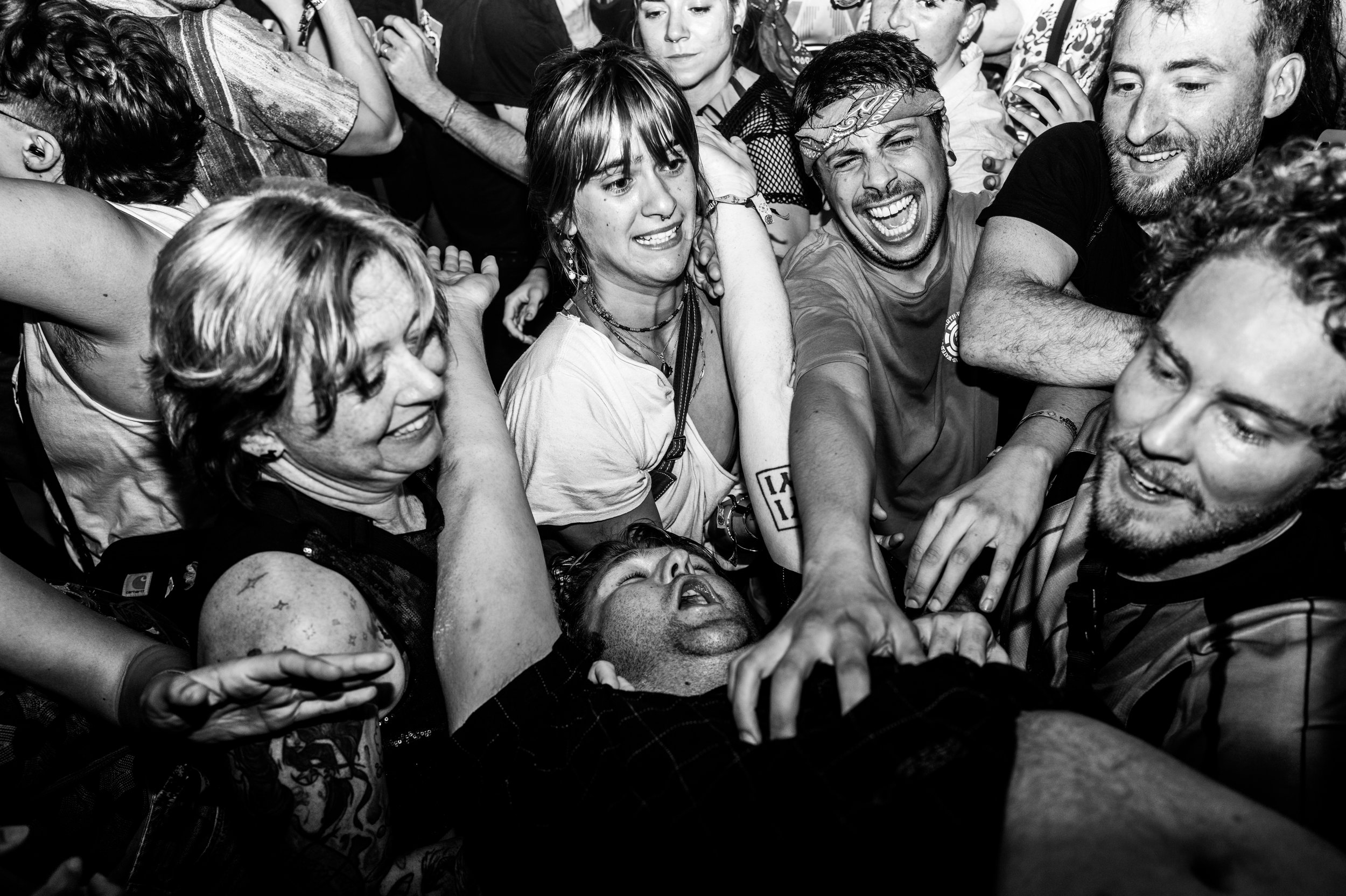
For a few minutes, individual identities disappeared entirely into collective momentum. Bodies moved in every direction. The pit surged forward. Sleep deprivation, adrenaline, and four days of music collided into something that proved both inhuman and deeply human at the same time.
I was carrying a camera and could not point it at the stage. The reflex was almost impossible to resist. Instead, I turned it toward the faces around me.
Those photographs became the foundation of this essay.
The festival belongs to the artists.
But it is created by the people who show up.
The families arriving in the afternoon. The ravers leaving at sunrise. The veterans returning year after year. The first-timers experiencing their favorite band for the first time on a stage bigger than they ever imagined. The strangers sharing water, sunscreen, cigarettes, directions, and stories.
For a few days, they build a city together.
Then it disappears.
This was my first time. Until next year.
PHOTOS + STORY: A.F. CORTÉS